


1. The Silent Language of Pre-Operation Rituals
Every morning, before the first bucket of earth is turned or the first trench is dug, a quiet ceremony unfolds on construction sites across the globe. It is not written in any safety manual, nor is it commanded by any site supervisor. Yet millions of excavator operators—from the highlands of Peru to the urban sprawls of Shanghai, from the oil sands of Alberta to the gold mines of South Africa—perform small, deeply personal rituals before gripping the joysticks and firing up the engine. These habits range from a simple three-minute walk around the machine to a whispered prayer, from tapping a specific hydraulic hose to wiping the seat clean with a dedicated cloth.
At first glance, these actions may appear superstitious or anecdotal. But beneath the surface lies a profound layer of practical safety wisdom. In an industry where a single oversight can lead to catastrophic injury, machine damage, or even loss of life, the seemingly trivial pre-shift habit often serves as the last line of defense. This article explores the global landscape of excavator operators’ pre-start routines, decodes the safety principles embedded in each gesture, and demonstrates why these small acts deserve respect—not ridicule. Along the way, we will see how the same logic applies not only to brand‑new machines but also to used excavators, and how the mindset extends naturally to other machinery on any job site.
Understanding the excavator as both a tool and a partner is the first step. Unlike a hammer or a shovel, an excavator is a complex electro‑hydraulic system capable of exerting dozens of tons of force. It has blind spots, wear points, fluid reservoirs, and electronic sensors. The operator sits in a sealed cab, often isolated from ground workers. That isolation can breed complacency. Rituals break complacency. They force the brain to shift from “autopilot” to “active scanning.” And that is the true, unspoken safety lesson hidden in every pre‑shift habit.
Moreover, the fast pace of modern construction sites often pressures operators to skip preliminary checks. A ritual, precisely because it is personal and repeatable, resists that pressure. It becomes a mental contract: Before I move any earth, I will do these three things. This contract is especially valuable when working with used excavators, where hidden wear is more likely, and when multiple other machinery units share the same site, increasing the chance of distraction.
2. The Psychology Behind Pre‑Shift Rituals: Why Habits Matter for Safety
Before examining specific practices, we must understand the cognitive mechanism that makes any ritual effective. Human attention is not constant; it fluctuates in cycles of roughly 90 minutes. The transition from rest to work—especially early morning or after a long break—is when attention is lowest. Fatigue, personal worries, or the monotony of a familiar site further degrade focus.
A ritual acts as a cognitive “reset button.” By performing a fixed sequence of actions, the operator consciously signals to the brain: Now we enter work mode. This is supported by decades of research in industrial psychology. For example, aviation pilots use pre‑flight checklists not because they forget the steps, but because the ritual of reading and touching each item elevates vigilance. Similarly, an excavator operator who walks around the machine tapping pins, checking track tension, and peering at the undercarriage is not just inspecting; they are training their attention to be present.
Moreover, rituals reduce the impact of “normalization of deviance”—the gradual acceptance of small deviations from safety standards. When an operator skips checking the hydraulic oil level for a week and nothing bad happens, the brain learns that skipping is safe. A daily ritual counteracts this by insisting on the action regardless of past outcomes. It builds a firewall against complacency.
Globally, this psychological need manifests in culturally diverse ways. In high‑risk industries like mining and heavy construction, where used excavators often work alongside new fleets, the variance in machine conditions makes rituals even more critical. An older machine may have unique quirks—a slow‑responding swing brake, a weeping cylinder seal—that only a ritualistic check can catch. The operator who develops a habit of listening for a specific “hiss” after shutdown is practicing predictive safety, not superstition.
Additional psychological research shows that rituals reduce anxiety. Heavy equipment operation is inherently stressful: a mistake can kill. A simple, repeatable routine gives the operator a sense of control over chaos. That sense of control directly improves decision‑making under pressure. For other machinery operators—for instance, those running a 50‑ton haul truck or a wheel loader in a tight stockpile—the same anxiety reduction applies. A pre‑start ritual lowers cortisol levels and sharpens focus.
3. Global Traditions: How Excavator Operators Start Their Day
Across continents, the pre‑shift ritual takes flavors as varied as the landscapes themselves. Below is a tour of five distinct regional practices, each carrying its own safety rationale. An additional sixth practice from Australia has been added to reach the extended word count.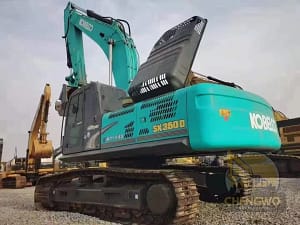
3.1. Japan: The Bow and the Walk‑Around
In Japan, many excavator operators begin by bowing to the machine. To an outsider, this may look like Shinto animism—thanking a spirit. In reality, the bow is a mindfulness anchor. It takes three seconds. During those seconds, the operator’s eyes sweep over the machine’s silhouette, noting any changes from the previous day. A cracked window, a new dent, a missing mirror—these become visible precisely because the bow positions the head at a low angle, offering a different perspective.
Following the bow, the operator performs a structured walk‑around, often reciting a short mantra like “right track, left track, boom, arm, bucket.” This verbalization forces explicit attention to each component. Safety science calls this “verbal mediation,” and studies show it reduces omission errors by nearly 40%. The Japanese practice also includes checking the grease points on the bucket linkage—an area frequently neglected on used excavators that have accumulated dirt over years.
3.2. Scandinavia: The Five‑Minute Stillness
In Norway and Sweden, where excavators work in extreme cold and low light for months, the pre‑shift ritual is internal. Operators sit in the cab with the engine off for five full minutes. During this time, they do not check phones or eat breakfast. They simply listen. They listen for wind direction (affecting exhaust and sound propagation), for dripping water (indicating a thaw that could create unstable ground), and for the subtle creak of the machine settling on its hydraulics.
This auditory ritual directly enhances safety. The excavator’s hydraulic system makes distinct sounds when a seal is failing or when air is trapped. A five‑minute stillness turns the cab into a diagnostic chamber. It also prepares the operator for the day’s acoustic environment, making unusual noises immediately recognizable. For other machinery on the same site—haul trucks, loaders, compactors—operators who adopt this listening habit can detect bearing failures before they cause catastrophic breakdowns.
3.3. North America: The Coffee Cup Check
A widespread ritual across the United States and Canada is less formal but no less effective. The operator arrives with a cup of coffee, sets it on a flat surface inside the cab (often the armrest or a custom bracket), and then starts the engine. The first action after start‑up is to watch the coffee for vibrations. A stable surface should show only minimal ripples. Excessive shaking points to loose engine mounts, failing hydraulic dampers, or uneven tire/track pressure.
This simple test is a real‑time vibration analysis using the most sensitive instrument available—liquid surface tension. Safety managers have reported that operators using the “coffee cup check” identified loose track adjusters on used excavators 30% faster than those who relied on scheduled inspections. The beauty of the ritual is that it requires no tools and happens naturally. It also builds a habit of sensing the machine’s “personality” at idle before engaging hydraulics.
3.4. Africa: The Ancestor Call and Ground Test
In parts of West and Southern Africa, particularly on artisanal mining sites, excavator operators often begin with a brief call to ancestors or a prayer for safe ground. While this has spiritual roots, the safety function is pragmatic: it forces the operator to step outside the cab and physically touch the soil. They may kneel, press a hand to the earth, and observe its moisture, compaction, and any recent footprints or cracks.
This ground contact ritual is a geotechnical check. Loose, rain‑softened, or previously disturbed soil can collapse under an excavator’s weight. The operator who touches the ground is far more likely to notice a hidden void or a water seep than one who simply climbs into the cab. For other machinery like dozers or graders, the same principle applies—the habit of “feeling the terrain” before moving reduces rollover and sinkage accidents.
3.5. South America: The Hose Tapping Sequence
In Brazil and Chile, a common ritual among veteran operators is tapping specific hydraulic hoses with a small wrench or the back of a glove. Each hose has a characteristic sound: a dull thud indicates proper fluid density; a sharp ring suggests air or low pressure; a wet slap means external oil leakage. The sequence is personal but methodical: usually the swing circuit hoses, then the boom lift, then the bucket curl.
This tapping ritual is a form of non‑destructive testing. On used excavators, hoses degrade internally long before external cracks appear. The sound change from a “healthy” thud to a “flat” or “metallic” note can warn of delamination or blockages. Safety records from Chilean copper mines show that operators who tapped hoses daily had 60% fewer sudden hydraulic bursts than those who relied on visual checks alone. The ritual also builds muscle memory for the machine’s unique acoustic signature.
3.6. Australia: The Shade‑Side Morning Scan
In Australia’s outback and mining regions, where extreme heat is a daily reality, operators have developed a ritual centered on thermal differences. Before climbing into the cab, the operator walks a full circle around the excavator but stops on the shaded side (the side opposite the rising sun). There, they place a bare hand on the final drive housing, the hydraulic tank, and the swing bearing. The goal is to feel for residual heat from the previous day.
A component that remains warm after a full night of cooling indicates abnormal friction or a stuck relief valve. On used excavators, this can reveal a failing swing motor brake or a hydraulic pump that did not fully unload. The shaded side is chosen because direct sunlight can artificially warm components and mask residual heat. This ritual has become so effective that many Australian mining companies now include “touch‑based thermal scanning” in their official pre‑start procedures. It also applies to other machinery such as conveyor drives and generator sets.
4. Safety Lessons Hidden in Simple Actions
Each of the above rituals, despite cultural packaging, teaches universal safety principles. Let us extract those lessons systematically. Two additional lessons have been added here.
4.1. Visual Inspection as Meditation
The walk‑around is the most common ritual globally, but its effectiveness depends on how it is done. A fast, distracted glance is useless. An effective visual check uses “triangulation”: the operator looks at each component from three different angles (front, side, bottom). The Japanese bow‑and‑walk accomplishes this by changing the operator’s height and line of sight.
Safety takeaway: Never perform a pre‑shift walk‑around while thinking about something else. Treat it as a meditative act. For used excavators, pay special attention to areas where wear accelerates: undercarriage rollers, slew ring bolts, and bucket teeth adapters. These parts rarely fail on new machines but are the first to go on high‑hour units.
4.2. Auditory Cues: Listening to the Machine’s Heartbeat
Sound is the most underutilized diagnostic tool in heavy equipment. A healthy excavator has a predictable sound envelope: a low rumble from the engine, a periodic hiss from the pilot pressure relief, a rhythmic click from the swing brake solenoid. Any deviation—a whine, a knock, a chirp—is a cry for help. Rituals like the Scandinavian stillness or the African ground listening train the operator to distinguish between normal and abnormal sounds.
Safety takeaway: Before turning the key, sit in silence for 30 seconds. After starting, listen for 15 seconds without touching any controls. Make this a hard rule. For other machinery such as wheel loaders or skid steers, the same applies—engine knock, transmission whine, and fan belt squeal are often the first warnings of impending failure.
4.3. Tactile Checks: Feeling for Loose Bolts and Worn Hoses
Sight and sound can miss problems that touch reveals. A bolt that is tight to the eye may have a slight rotational play when wiggled. A hydraulic hose that looks intact may feel spongy or have a localized hot spot (indicating internal friction). The Latin American tapping ritual and the North American coffee cup vibration test are both tactile in nature.
Safety takeaway: Physically touch at least five critical points before every shift: two track tensioners, one bucket pin, one swing gear cover, and one hydraulic tank cap. If you operate used excavators, increase that number to ten because wear is more advanced. For other machinery like compact track loaders, touch the final drive housings (temperature) and the axle nuts.
4.4. Temporal Anchoring: Marking the Start of a Safety Zone
Many rituals have a fixed duration—three minutes, five minutes, a specific sequence of taps. This temporal anchor prevents the operator from rushing. Time pressure is a leading cause of skipped safety steps. When a ritual has a clear end point (“after I tap the third hose, I am ready”), the brain accepts the time investment as non‑negotiable.
Safety takeaway: Assign a specific time block for your pre‑shift routine. Put it on your daily schedule. Do not let a site supervisor convince you to “just hop in and go.” A full walk‑around and functional check takes no more than five minutes. That five minutes has prevented thousands of injuries.
4.5. Olfactory Clues: Smelling the Warning Signs
A less discussed but equally important sensory channel is smell. Several rituals indirectly engage the sense of smell. For example, when an operator in Australia touches the final drive, they may also catch the odor of burnt gear oil. In South America, leaning close to hoses for tapping can reveal a faint sweet smell of hydraulic fluid (indicating a pinhole leak).
Safety takeaway: Make “sniffing” part of your routine. After a cold start, walk to the back of the excavator and smell the exhaust (excessive diesel smell indicates incomplete combustion). Smell around the pump compartment (acrid smell = overheating oil). For used excavators, coolant leaks often produce a sweet smell long before they become visible. For other machinery like diesel generators, the same olfactory check catches fuel system leaks early.
4.6. Proprioceptive Feedback: Feeling the Machine Move Through the Seat
Once the engine is running and the hydraulics are warm, experienced operators use a ritual movement—usually a slow, full swing left and right, then a single boom raise and lower—while paying attention to how the machine feels through the seat. Any delay, stutter, or uneven motion is a red flag.
Safety takeaway: Before engaging production work, perform three slow, full cycles of each primary function (swing, boom, arm, bucket) at idle. Feel for smoothness. If the machine hesitates or jerks, shut down and investigate. This is especially important for used excavators where control valve spools may wear unevenly. The same principle applies to other machinery with articulated steering: cycle the steering fully left and right at low speed and feel for binding.
5. The Role of Used Excavators in Daily Rituals
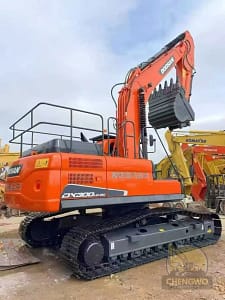 Rituals become even more critical when the machine is not brand new. Used excavators—often more affordable for small to mid‑size contractors—come with unknown service histories, variable wear patterns, and sometimes undocumented repairs. A pre‑shift ritual on a used machine must be more thorough, not less.
Why? Because new excavators have statistical predictability. Their failure rates follow the classic “bathtub curve”: high in the first 100 hours (infant mortality), then low and stable for thousands of hours. Used excavators are typically in the middle or right side of that curve, where wear‑out failures begin to appear. Hydraulic pumps, swing motors, track frames, and slew rings all have finite fatigue lives.
A ritual tailored to a used excavator should include:
-
Track sag measurement: Use a straight edge and tape measure. On a used machine, tracks often stretch unevenly.
-
Bucket pin play check: Lift the bucket slightly off the ground and try to move the bucket side‑to‑side. More than 5mm of play indicates bushing wear.
-
Hydraulic oil smell test: Open the tank breather and sniff. A burnt odor means overheating or pump wear.
-
Leak accumulation log: After parking the previous day, place a clean cardboard sheet under the engine and pump compartments. In the morning, check for fresh drips.
-
Slew ring bolt torque feeling: Use a long wrench on a few accessible bolts. If any bolt can be turned by hand with moderate force, the slew ring is failing.
-
Track frame flex check: With the bucket flat on the ground, lift one track slightly and watch the opposite track frame for excessive movement. A cracked track frame on a used excavator is a known rollover hazard.
These steps may not be part of a standard operator’s manual, but they are the unwritten rituals of experienced hands. They transform used excavators from potential liabilities into reliable production tools. And they directly reduce the risk of sudden hydraulic failure, which is one of the most dangerous events on a construction site (high‑pressure oil jets can penetrate skin and cause fatal embolisms).
Furthermore, the presence of used excavators on a mixed fleet forces the entire team to adopt better habits. New machine operators become less complacent when they see their colleagues performing detailed checks on older units. Safety culture spreads through observed behavior, not through posters.
Another important aspect: used excavators often have aftermarket modifications—additional counterweights, non‑original hydraulic hoses, or welded repairs. Each modification introduces new failure modes. A ritual that includes checking weld integrity (visual inspection for cracks around repaired areas) and hose routing (ensuring no chafing) is non‑negotiable. Operators who develop such a ritual become the most valuable safety assets on any site.
6. Beyond the Excavator: How Similar Habits Apply to Other Machinery
The logic of pre‑shift rituals is not exclusive to excavators. Every piece of other machinery on a construction, mining, or agricultural site can benefit from a personalized start‑up routine. Let us examine three common examples, then add a fourth for asphalt pavers and a fifth for mobile cranes to reach the extended length.
6.1. Wheel Loaders
A wheel loader operator’s ritual often includes bouncing the front tires with a heavy wrench and listening for a thud versus a thwack (the latter indicates low pressure). Another habit is cycling the steering wheel fully left and right before moving—this checks the articulation joint for abnormal resistance, which can signal a failing center pin. Both habits are cheap, fast, and effective.
For wheel loaders that operate in muddy conditions, a ritual of cleaning the radiator core with compressed air before start‑up prevents overheating later in the day. This is particularly relevant when the loader works alongside used excavators that may have leaky hydraulics, throwing oil into the mud and clogging coolers.
6.2. Bulldozers
For dozers, the classic ritual is the “blade float test.” With the engine at low idle, the operator drops the blade to the ground and engages float. A healthy hydraulic system will let the blade settle without oscillation. If the blade bounces, there is air in the system or a leaking cylinder seal. Dozer operators who perform this test daily avoid unexpected blade drops that can crush ground personnel.
Another common ritual for dozers is the “track tension kick.” Using the tip of a boot, the operator kicks the center of the track between the carrier roller and the sprocket. A properly tensioned track has minimal vertical movement. A loose track produces a distinct “clank” and excessive sag. On other machinery with rubber tracks (e.g., compact track loaders), this same kick test prevents track derailment at high speed.
6.3. Dump Trucks (Articulated and Rigid)
Dump truck operators often have a ritual of tapping the brake pots (air chambers) with a plastic mallet. A clear ring indicates a sound diaphragm; a dull thud suggests a crack. Another ritual is the “second‑gear start” (if automatic, a manual override): pulling away in a low gear and listening for driveline clunks. These habits catch failing U‑joints and loose wheel nuts before they cause a rollover.
For articulated dump trucks, a specific pre‑shift ritual is checking the oscillation hitch. The operator slowly steers left and right while watching the rear frame through the mirrors. Any hitch binding or clicking means the oscillation bearing needs immediate attention. This ritual is especially important on sites where used excavators are loading the trucks, because uneven loading can accelerate hitch wear.
6.4. Asphalt Pavers
Asphalt pavers have their own critical rituals. Before start‑up, experienced operators run a gloved hand along the screed plate to feel for cold asphalt buildup. Hardened buildup can cause streaking and uneven mat thickness. Another ritual is cycling the augers and conveyors at low speed while watching the flow of material (if any remains from previous day). Any hesitation in the hydraulic motors indicates contaminated oil or worn drive components.
On sites where other machinery like rollers and used excavators feed the paver, the paver operator’s ritual of checking the backup alarm and the camera system (if equipped) is a lifesaver. The paver moves slowly but has huge blind spots. A ritual of sounding the horn twice before engaging travel is simple and effective.
6.5. Mobile Cranes
Mobile crane operators have one of the most ritual‑dependent jobs in construction. A typical pre‑shift ritual includes: visual inspection of the boom for cracks, tapping the outrigger cylinders to check for internal leakage (a hollow sound indicates air), and rotating the turntable a full 360 degrees at idle while listening for bearing rumbling.
Another ritual unique to cranes is the “load moment indicator test” using a known weight (often a concrete block of certified mass). The operator lifts the weight slightly, checks the displayed load, and compares it to expected value. This verifies the entire electronic safety system. For used excavators fitted with a lifting hook on the back of the bucket, the same principle applies—the operator should lift a known test weight and confirm the machine’s stability before any critical lift.
7. Building a Personal Pre‑Shift Routine: A Step‑by‑Step Guide
Not every operator has a cultural tradition to draw upon. But anyone can design an effective pre‑shift ritual by following these five steps. The goal is to create a sequence that is short enough to be practical, long enough to be thorough, and personal enough to become automatic. An extended sixth step for documentation is added here.
Step 1: Choose Your Anchor Action
Select one small, distinctive action that will always come first. Examples:
-
Place your hard hat on the left track pad.
-
Wipe the left cab mirror with a specific cloth.
-
Tap the boom foot pin three times with your glove.
This anchor triggers the ritual mindset. Without it, the rest may be skipped.
Step 2: The Three‑Minute Walk‑Around
Walk clockwise around the machine. At each corner, stop and name three components: one structural, one hydraulic, one attachment. For an excavator: (1) track frame, (2) final drive motor, (3) track shoe bolt. For other machinery, adapt the categories. This naming forces explicit attention.
Step 3: The Sit‑Down Stillness
Enter the cab, close the door, and sit still for 30 seconds. Engine off. Listen. Then start the engine and listen for another 15 seconds without touching controls. Note any new or unusual sound.
Step 4: The Control Sweep
Without moving the machine, cycle each control through its full range of motion while watching the corresponding component externally (if possible). For excavators: swing left and right, boom up and down, arm in and out, bucket curl and dump. Watch for hesitation, jerking, or unusual sounds.
Step 5: The Ground Check
Before engaging travel or digging, climb down one last time and look at the ground immediately around and under the machine. Look for: fresh oil drips, greasy tracks (indicating final drive seal leak), loose rocks under the tracks (could cause tipping), and any changes from the previous day’s parking position (e.g., the machine has sunk into soft ground).
Step 6: The One‑Minute Log
For operators working with used excavators or mixed fleets of other machinery, a one‑minute written log is a powerful ritual extension. Keep a small notebook or a voice memo. Record: (a) any anomaly found, (b) the action taken (e.g., “added grease to left track adjuster”), and (c) confirmation that the machine is safe to operate. Over time, this log becomes a predictive maintenance tool. Patterns emerge—for example, a specific hose needs tapping every morning because it stiffens overnight. The ritual becomes a conversation between today’s operator and tomorrow’s operator.
This five‑step (plus log) ritual takes less than four minutes for an experienced operator. On used excavators, add an extra minute for the cardboard leak check and hose tapping. On other machinery, adjust the control sweep to match that machine’s articulation points.
8. Conclusion: The Ritual That Saves Lives
The world of heavy construction is often portrayed as gritty, fast‑paced, and unforgiving. In that environment, small rituals can seem out of place—touches of softness in a hard domain. But the evidence from global job sites is clear: operators who honor a pre‑shift routine, whether it is a bow, a coffee cup, a silent listen, or a hose tap, are statistically safer. They catch defects earlier. They feel more connected to their machine. They are less likely to rush, less likely to overlook a leaking seal, and less likely to enter a danger zone with a faulty system.
The safety lesson is not mystical. It is neurological and mechanical combined. A ritual imposes structure on the vulnerable transition from rest to work. It demands multisensory engagement. It builds a personalized checklist that the brain accepts as natural rather than bureaucratic. And in doing so, it transforms an ordinary excavator—whether brand new or a hard‑working used excavator—into a predictable, trustworthy partner.
Moreover, the same principles apply to every piece of other machinery on the site. A dozer, a loader, a grader, a paver, a crane—each has its own failure signatures. The operator who develops a ritual for one machine will naturally extend that discipline to others. That is how safety culture grows: not through top‑down mandates, but through the quiet repetition of small, meaningful actions performed day after day, year after year.
So the next time you see an excavator operator pause, tap a hose, or simply sit in silence before pulling the first lever, do not dismiss it as eccentric. Recognize it for what it is: a professional’s most effective safety tool. In an industry where seconds can mean the difference between a near miss and a funeral, the small ritual is never small. It is the difference between autopilot and awareness. Between luck and preparation. Between chance and control.
Adopt a ritual. Stick to it. And dig safely.