


1. The Critical Role of Track Tension
Track tension is one of the most overlooked yet consequential aspects of excavator maintenance. For any tracked machine—whether a brand-new unit or one of the many used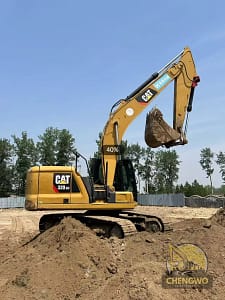 экскаваторы operating on jobsites worldwide—proper track tension directly determines undercarriage life, fuel efficiency, and overall machine performance. When tracks are too loose or too tight, the consequences extend far beyond simple ride comfort. They affect power delivery, component longevity, operational safety, and ultimately, the bottom line of any excavation project.
The undercarriage represents a substantial portion of a machine’s total value. Для подержанные экскаваторы in particular, where undercarriage condition heavily influences resale value and remaining service life, maintaining correct track tension is not optional—it is essential. This article examines what happens when excavator tracks deviate from proper tension specifications, why these conditions are problematic, and how operators can maintain optimal tension across all types of tracked другое оборудование in their fleets.
2. Understanding Proper Track Tension
Before examining the consequences of incorrect tension, it is important to understand what “proper” tension means. Excavator tracks should never be completely tight. They require a specific amount of sag—typically 1.5 to 2 inches (38 to 50 mm) depending on the machine model. This sag allows the track to flex as it travels over the idler and sprocket, accommodating the natural articulation of the undercarriage components.
The acceptable range between too loose and too tight is surprisingly narrow. On some mid-range excavators, the difference is only 30 millimeters—approximately three shots from a standard grease gun. This precision requirement explains why track tension cannot be set by visual approximation alone; it must be measured against manufacturer specifications found in the operation and maintenance manual.
Ground conditions also influence ideal tension settings. Hard, flat surfaces require higher tension than softer ground such as loose sand. Shale-like materials can compact in the track chains, effectively increasing tension during operation. For this reason, operators of подержанные экскаваторы and other tracked другое оборудование should adjust tension according to jobsite conditions rather than relying on a single setting indefinitely.
3. Consequences of Tracks That Are Too Loose
Loose tracks create a cascade of problems that affect performance, component life, and safety.
3.1 Detracking and Thrown Tracks
The most immediate and obvious risk of loose tracks is detracking—the track coming off the undercarriage entirely. When tension is insufficient, gaps develop between the track and the drive sprocket or idler. During steering maneuvers, climbing, or travel over uneven terrain, the track can slip off its guide path. This is particularly problematic when the machine twists and turns in loose materials such as pea rock. A thrown track not only halts production but can also cause secondary damage to the track itself and surrounding components during the derailment event.
3.2 Accelerated Component Wear
Loose tracks do not stay properly aligned with the undercarriage rollers and idlers. This misalignment accelerates wear on idler and roller flanges. At higher travel speeds, a loose track will slip and damage the track links, idler, and roller flanges. The track drive lugs can suffer from “ratcheting”—damage caused by jumping over sprocket rollers. This premature wear forces earlier replacement of undercarriage components, adding significant cost to the operation of any excavator, whether new or among the many подержанные экскаваторы in service today.
3.3 Uncomfortable Ride and Instability
Beyond mechanical damage, loose tracks create an uncomfortable ride for the operator. The machine feels unstable, particularly during travel or when working on side slopes. In adverse conditions, loose tracks have a tendency to jump off, creating dangerous situations on jobsites. This instability reduces operator confidence and productivity, as the machine cannot be positioned or maneuvered with precision.
3.4 Slippage and Power Loss
Loose tracks slip against the drive sprocket rather than transferring power efficiently to the ground. This slippage wastes energy and reduces the machine’s effective tractive effort. The operator may compensate by increasing engine RPM, which burns additional fuel without achieving proportional work output. Over time, this inefficiency adds measurable cost to every project involving tracked другое оборудование.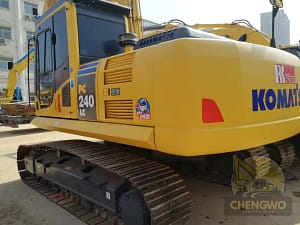
4. Consequences of Tracks That Are Too Tight
While loose tracks present obvious risks, overly tight tracks are arguably more destructive to the machine’s long-term health.
4.1 Power Absorption and Reduced Performance
Tight tracks create enormous internal friction within the undercarriage. Some experts estimate that excessively tight tracks can absorb up to 90 percent of the engine’s power. The machine feels sluggish and underpowered, struggling to achieve travel speeds even in higher gears. This power loss is especially apparent when going uphill or carrying a load.
The final drive motor may seem weak even when nothing is mechanically wrong with the drive itself. The increased inward pressure from tight tracks can exceed what the final drive can compensate for, creating the illusion of a failed or failing travel motor. Operators may waste time and money diagnosing and repairing nonexistent final drive issues when the real problem is simply overtightened tracks.
4.2 Accelerated Wear on Undercarriage Components
Tight tracks accelerate wear on virtually every undercarriage component. Bushings, sprockets, idlers, and even the bearings in final drives experience premature wear. Rollers and idlers wear out faster than they should. The increased friction between rotating surfaces dramatically reduces component life.
Perhaps most concerning is that tight tracks can cause premature failure of some components while other parts—such as rollers and track links—remain in good condition. This uneven wear pattern makes maintenance planning difficult and can lead to costly, unexpected failures.
4.3 Track and Bushing Damage
Overly tight tension places excessive stress on the track itself. The rubber material can tear, and the steel imbedded within the track experiences accelerated wear. Long-term operation with excessive tension can deform track pitch—the distance between track links—which indirectly increases the risk of derailment. Track bushings may crack under the sustained pressure. These forms of damage often require complete track replacement rather than simple adjustment.
4.4 Excessive Fuel Consumption
The power absorbed by tight tracks must come from somewhere—and that somewhere is the fuel tank. The engine works harder to overcome internal friction, burning more fuel to achieve the same work output. Over the course of a project or a machine’s service life, this inefficiency translates into thousands of dollars in unnecessary fuel costs. For fleet managers operating multiple подержанные экскаваторы and other tracked другое оборудование, these costs multiply rapidly.
5. Comparing the Risks: Loose vs. Tight
Industry experts often suggest that it is better to have tracks slightly too loose than too tight. While loose tracks risk detracking and some component wear, tight tracks cause more severe damage to expensive components like final drives, create substantial power loss, and accelerate wear across the entire undercarriage system.
However, this does not mean loose tracks are acceptable. The difference between the two conditions is a matter of degree and consequence. Loose tracks cause immediate operational problems—detracking, instability, and slippage—that stop work and create safety hazards. Tight tracks cause gradual, cumulative damage that may not be apparent until components fail prematurely.
Both conditions ultimately cost money through increased fuel consumption, accelerated wear, unplanned downtime, and premature component replacement. The only cost-effective approach is maintaining tension within the manufacturer’s specified range.
6. How to Check and Adjust Track Tension
Proper track tension adjustment is straightforward and requires only basic tools: a grease gun, a straight edge long enough to span from the front carrier roller to the front idler, and a ruler or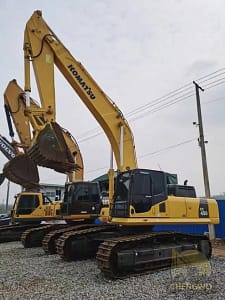 tape measure.
6.1 Measuring Track Sag
To measure sag, park the excavator on level, firm ground. Position the upper structure so the boom is perpendicular to the travel direction, with the arm perpendicular to the ground and the bucket floor level. Use the boom to press down and elevate one side of the machine so the track is suspended above ground.
Operate the travel on the elevated track for several complete revolutions to remove debris and loosen binding links. With the track stopped and the hydraulic safety switch engaged, measure the sag at the midpoint between the front idler and the first carrier roller. Compare this measurement against the specifications in the operator’s manual.
6.2 Making Adjustments
Track tension is adjusted through the grease fitting on the track frame near the idler. To tighten the track, inject grease with a grease gun. To loosen the track, carefully loosen the fitting with a socket or wrench to release grease, then tighten it back once the desired sag is achieved. The grease within the adjuster cylinder is under pressure, so proper personal protective equipment—including gloves and safety glasses—is essential.
After adjustment, track the machine forward the length of the tracks on the ground and re-measure to confirm proper tension. This final step ensures the adjustment has settled correctly.
7. Preventive Maintenance for Track Tension
7.1 Daily Visual Inspections
Before every shift, operators should visually inspect track tension. Look for excessive sag between the carrier rollers and the idler, or between the carrier and sprocket. This quick check takes only moments but can prevent hours of downtime.
7.2 Keep Undercarriage Clean
Debris such as mud, clay, or concrete can pack into the undercarriage and cause premature wear. Packed material can also affect track tension by preventing proper flexing of the track chain. Regular cleaning—particularly when moving between jobsites with different soil conditions—helps maintain accurate tension and extends component life.
7.3 Adjust for Ground Conditions
Track tension requirements change with ground conditions. Hard surfaces and shale-like materials can effectively increase tension as debris compacts in the chains. Soft ground may require different settings. Operators should be prepared to adjust tension as conditions change rather than assuming one setting works everywhere.
7.4 Document and Track Adjustments
For fleet managers overseeing multiple подержанные экскаваторы and other другое оборудование, maintaining records of tension adjustments helps identify patterns and predict maintenance needs. Documentation also supports warranty claims and provides valuable information when evaluating the condition of подержанные экскаваторы for purchase or sale.
8. Special Considerations for Used Excavators
Подержанные экскаваторы present unique considerations regarding track tension. Previous owners may have operated machines with incorrect tension, causing uneven wear that affects how new adjustments perform. When purchasing подержанные экскаваторы, thorough undercarriage inspection—including track tension measurement and evaluation of wear patterns—is essential.
The undercarriage typically drives replacement costs on подержанные экскаваторы. Неравномерный износ или изношенные направляющие могут сделать даже исправную машину нерентабельной. Understanding how previous tension practices affected the undercarriage helps buyers negotiate fair prices and plan for future maintenance.
Для владельцев подержанные экскаваторы, establishing a disciplined tension maintenance program from day one can extend remaining undercarriage life significantly. The relatively small effort required for regular tension checks pays dividends in reduced repair costs and improved machine availability.
9. Conclusion
Track tension is not a set-and-forget maintenance item. It requires regular attention, proper measurement, and adjustment according to manufacturer specifications and jobsite conditions. Tracks that are too loose risk detracking, instability, and accelerated wear on idlers and rollers. Tracks that are too tight absorb power, accelerate wear across the entire undercarriage, increase fuel consumption, and can damage final drives.
The consequences affect every type of tracked machine—from new excavators to подержанные экскаваторы, from compact units to full-size production machines, and across all categories of tracked другое оборудование. The adjustment process itself is simple and requires only basic tools. The discipline to perform regular checks and make timely adjustments separates profitable operations from those burdened by unnecessary downtime and repair costs.
Taking a few minutes each day to check tension and clean tracks can help avoid downtime when it can least be afforded. In the world of excavation, where every hour of machine availability matters, proper track tension is not a detail—it is a cornerstone of operational success.