

Waterway and coastal projects present some of the most demanding conditions in the construction and environmental restoration industries. From dredging rivers and maintaining canals to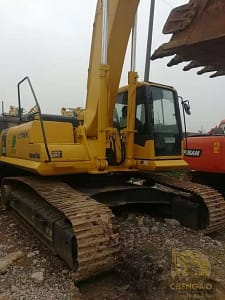 reinforcing shorelines and building flood defenses, these projects require heavy equipment capable of performing reliably in wet, unstable, and often corrosive environments. Excavators have become indispensable assets in this sector, offering the versatility, power, and reach needed to tackle a wide range of aquatic and coastal challenges.
The global market for amphibious excavators alone was estimated at US$6.7 billion in 2025 and is projected to reach US$13.8 billion by 2032, reflecting the growing reliance on these machines for waterway infrastructure and coastal protection. Whether contractors are deploying new models or cost-effective used excavators, understanding how to select, operate, and maintain these machines in water-related applications is essential for project success. This article explores the various applications of excavators in waterway and coastal projects, the equipment options available, and the critical operational and maintenance considerations that keep these projects running safely and efficiently.
2. Primary Applications of Excavators in Waterway and Coastal Projects
2.1 Dredging and Sediment Removal
Dredging is one of the most common applications for excavators in waterway projects. Sediment accumulates naturally in rivers, canals, harbors, and lakes over time, reducing water depth, impeding navigation, and increasing flood risk. Excavators equipped with the right attachments can remove this material efficiently and with precision.
Standard excavators can be converted into dredging systems by installing excavator pump attachments, which use the machine’s hydraulic power to drive a submersible slurry pump. This transforms the excavator from a stop-and-dump digging tool into a continuous slurry transport system capable of moving sand, silt, and sludge directly through a discharge line to the designated placement area. For projects requiring extended reach, long-reach excavators with digging depths approaching 22 meters allow operators to work from a safe distance while still reaching into channels or drainage basins.
Amphibious excavators, often called swamp or marsh buggies, combine an excavator upper structure with sealed, track-mounted pontoons that enable operation in soft, saturated, and shallow-water terrain where conventional machines bog down. These specialized machines are particularly valuable for river desilting, canal maintenance, and environmental restoration projects where minimizing ground disturbance is critical.
2.2 Shoreline Protection and Coastal Erosion Control
Coastal erosion poses a significant threat to infrastructure, properties, and natural habitats. Excavators play a vital role in shoreline protection projects by reshaping coastlines, stabilizing eroding banks, and constructing erosion control structures. Amphibious excavators are especially effective in these applications due to their low ground pressure design, which minimizes damage to sensitive ecosystems while removing sediment buildup and stabilizing shorelines.
These machines can operate in tidal zones, marshes, and shallow coastal waters where standard equipment cannot function. Their ability to distribute weight evenly across soft terrain reduces ground compaction and habitat disruption, making them suitable for environmentally sensitive coastal restoration work. For shoreline reinforcement projects, excavators equipped with pile driving attachments can install sheet piles, H-piles, or pipe piles precisely, even in shifting soils, without requiring barges or temporary work platforms.
2.3 Flood Control and Levee Construction
Flood mitigation is a growing priority worldwide, driven by climate change and increasing extreme weather events. Excavators are essential for constructing and maintaining flood control infrastructure, including levees, embankments, and stormwater management systems. Amphibious excavators have become a go-to solution for embankment reinforcement and river dredging to improve water flow and reduce disaster risks.
Levee construction and repair often take place in challenging conditions near water bodies. Excavators used for these projects must be capable of working on unstable ground while maintaining stability and precision. Long-reach configurations allow operators to work from stable positions while shaping banks, placing riprap, or constructing floodwalls. The ability to switch between different attachments—from grading buckets to compaction plates—makes excavators highly adaptable for the varied tasks involved in flood control projects.
2.4 Wetland Restoration and Environmental Remediation
Environmental restoration projects require equipment that can operate in sensitive habitats without causing additional damage. Amphibious excavators are specifically designed to access wetlands, marshes, and floodplains where standard excavators cannot go. These machines can remove invasive vegetation, excavate contaminated sediments, and reshape terrain to restore natural hydrological patterns.
The low ground pressure of amphibious excavators—often less than 2.5 psi—allows them to traverse soft terrain without sinking, while their floating capability provides an added safety margin when working in water. This dual functionality makes them invaluable for projects that require both land and water access, such as mangrove restoration, lake desilting, and stormwater rehabilitation.
3. Equipment Selection for Waterway and Coastal Projects
3.1 Standard Excavators vs. Amphibious Excavators
The choice between standard and amphibious excavators depends on project conditions. Standard excavators are suitable for working from stable banks, barges, or work platforms where the machine itself does not need to enter the water. When equipped with long-reach booms or pump attachments, these machines can perform many waterway tasks effectively.
Amphibious excavators, however, are purpose-built for projects where the work area is soft, saturated, or submerged. Their sealed pontoons provide buoyancy and flotation, allowing them to operate in shallow water without additional support. Some models can float in water deeper than five feet, and supplementary side pontoon systems can increase buoyancy for more demanding applications. The undercarriage design also provides exceptional stability, which is critical when performing precision work in unstable conditions.
3.2 The Role of Used Excavators in Water Projects
Used excavators offer a cost-effective entry point for contractors expanding into waterway and coastal work. Used equipment can deliver 40 to 60 percent savings compared to new machines, with much of the early depreciation already absorbed by the initial owner. For projects with limited budgets or short-term requirements, used excavators provide reliable performance at a fraction of the cost of new equipment.
When evaluating used excavators for water-related applications, several factors deserve particular attention. The undercarriage condition is critical, as wet conditions accelerate wear on tracks, rollers, and idlers. The hydraulic system should be inspected for leaks and smooth cylinder motion, as water intrusion can cause rapid deterioration. Machines with operating hours between 5,000 and 8,000 typically have significant productive life remaining if maintenance has been consistent. Buyers should also verify that the machine has been properly maintained in coastal environments, where salt exposure can cause corrosion if not addressed promptly.
3.3 Other Machinery and Support Equipment
Waterway and coastal projects rarely rely on excavators alone. Other machinery plays essential supporting roles. Dump trucks transport dredged material to disposal sites. Barges provide work platforms for standard excavators operating in deeper water. Dredge pump attachments convert excavators into complete dredging systems, eliminating the need for dedicated dredging equipment in many applications.
The integration of excavators with other machinery creates efficient project workflows. For example, an amphibious excavator can remove sediment from a canal while a fleet of trucks hauls the material away, and a grader prepares the bank for revegetation. This coordination of different equipment types maximizes productivity and minimizes project timelines.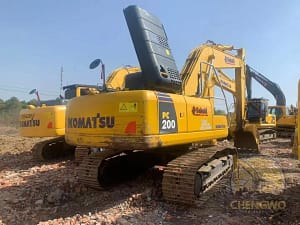
4. Operational Considerations for Water and Coastal Work
4.1 Safety Protocols for Working Near Water
Operating heavy equipment in or near water presents unique safety risks that require careful management. Incidents involving submerged excavators have resulted in operator injuries and fatalities, highlighting the importance of proper safety protocols. Employers must ensure exclusion zones with physical barriers and signage to prevent plant from accessing water hazards. Working surfaces around water bodies must be maintained to ensure adequate ground bearing capacity to support the weight of the equipment.
Powered mobile plant should not be operated in water bodies unless it is specifically designed for that application, such as amphibious or barge-mounted equipment. When amphibious excavators are used, operators must be trained on the specific hazards of water operation, and personal flotation devices should be provided. Rescue procedures must be implemented before operations begin, with recovery equipment readily accessible.
4.2 Safe Water Depth and Operating Limits
Understanding safe water depth limits is essential for preventing equipment damage and operator injury. The maximum safe water level is typically below the lower edge of the track frame and must never exceed the engine air intake height. Water entering the engine cylinder can cause hydraulic lock, bending connecting rods and potentially destroying the engine.
Before entering water, operators should confirm water depth, flow velocity, and bottom conditions to avoid mud traps or sudden deep pits. During operation, the machine should be driven slowly, avoiding sudden turns or reversing that could cause sideslip or sinking. If the track slips, the boom should be used to support the body and adjust position rather than forcing driving.
5. Maintenance Requirements for Waterway and Coastal Excavators
5.1 Waterproofing and Corrosion Protection
Excavators working in waterway and coastal environments face the dual threats of water intrusion and salt spray corrosion. Water entering the hydraulic system, engine, electrical system, and cab can cause short circuits, oil deterioration, and component rust. Salt spray in coastal areas accelerates corrosion of structural parts and fasteners.
Effective waterproofing starts with the engine compartment, hydraulic pump compartment, and electrical control box, which should be equipped with waterproof baffles and sealing strips. Wiring harness connectors, sensors, and controllers should use waterproof connectors with IP67 protection or higher. The engine air intake should be raised to avoid water inhalation, and the exhaust pipe should be equipped with a waterproof check valve.
Anti-corrosion measures are equally important. After each workday in coastal conditions, the machine should be thoroughly cleaned with fresh water to wash off salt residue. Anti-corrosion paint should be reapplied on scratched or rusted areas, and anti-rust grease applied to bolt and nut connections. For coastal dredging projects, additional anti-corrosion coating can be applied to key structural parts.
5.2 Hydraulic System Maintenance
The hydraulic system is particularly vulnerable in water and coastal applications. Water entering hydraulic oil causes emulsification, deterioration, and accelerated wear of pumps, valves, and cylinders. Daily inspection of hydraulic cylinder seals, pipelines, and joints is essential, with damaged oil seals and hoses replaced immediately.
Waterproof dust covers on hydraulic cylinder rods prevent water and sediment from entering. The replacement cycle for hydraulic oil and filters should be shortened in wet conditions. If hydraulic oil becomes emulsified or contaminated with sediment, it must be replaced immediately and the system cleaned. Regular fluid analysis helps detect water contamination early, preventing costly component failures.
5.3 Undercarriage and Structural Maintenance
The undercarriage bears the brunt of water and coastal work. Track frames, support wheels, idlers, and drive wheels are immersed in water and mud for extended periods, making them susceptible to rust and accelerated wear. Daily cleaning with high-pressure water removes sediment and sludge, while waterproof and anti-corrosion grease should be applied to support wheels, idlers, and drive wheels every shift.
The floating seals of support wheels should be checked regularly; damaged seals must be replaced immediately to prevent sediment from entering. After water operation, gear oil often emulsifies and must be replaced promptly. The track tension cylinder should also be checked for water entry.
5.4 Post-Operation Cleaning and Inspection
Thorough post-operation maintenance is essential for equipment longevity in water and coastal applications. After each workday, the entire machine should be cleaned with high-pressure water to remove sediment and aquatic attachments. Engine oil, gear oil, and hydraulic oil should be checked for emulsification; all contaminated oil and filters must be replaced.
Water should be drained from the fuel tank, oil water separator, and air reservoir. All pins, bushings, rollers, and idlers should be lubricated to remove water and prevent rust. The electrical system should be dried and all functions tested before normal operation resumes. Finally, all seals should be inspected and damaged ones replaced.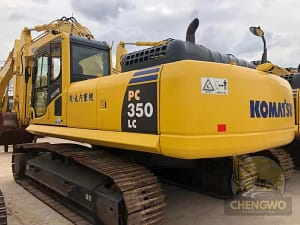
6. Conclusion
Excavators have become indispensable tools for waterway and coastal projects, offering the versatility, power, and adaptability needed to address the complex challenges of dredging, shoreline protection, flood control, and environmental restoration. From standard machines equipped with long-reach booms and pump attachments to specialized amphibious excavators designed for soft and saturated terrain, the range of equipment available allows contractors to match the right machine to each project’s specific requirements.
The growing demand for water infrastructure and climate resilience has driven significant investment in both new and used excavators for these applications. Used excavators provide a cost-effective entry point, particularly for contractors seeking to expand into this specialized sector without the capital outlay required for new equipment. When properly selected and maintained, these machines deliver reliable performance and long service life even in demanding coastal and aquatic environments.
Success in waterway and coastal projects depends not only on choosing the right equipment but also on implementing proper safety protocols and rigorous maintenance practices. Understanding safe water depth limits, waterproofing critical components, protecting against corrosion, and performing thorough post-operation cleaning are essential for keeping excavators operating safely and efficiently. As climate change continues to intensify flood risks and coastal erosion, the role of excavators in protecting communities and infrastructure will only grow more important.