


1. The Language of Wear in Heavy Equipment
Every construction machine tells a story through its wear patterns. The scratches on a bucket, the flattening of track shoes, the thinning of a cutting edge—these are not merely signs of age but-300x225.webp) diagnostic clues that reveal how equipment has been operated, maintained, and stressed. For fleet managers, operators, and buyers of used excavators and outras máquinas, understanding these wear signatures is essential to making informed decisions about maintenance, replacement, and acquisition.
diagnostic clues that reveal how equipment has been operated, maintained, and stressed. For fleet managers, operators, and buyers of used excavators and outras máquinas, understanding these wear signatures is essential to making informed decisions about maintenance, replacement, and acquisition.
Wear is inevitable in construction equipment. The forces involved in moving earth, breaking rock, and lifting heavy loads subject every component to continuous abrasion, impact, and fatigue. However, not all wear is created equal. Some wear patterns indicate normal, predictable degradation that follows a machine’s service life. Others signal operational problems, poor maintenance, or underlying mechanical issues that can accelerate failure and drive up costs.
This article examines the distinct wear patterns found across the major categories of construction machinery. By understanding what different types of wear mean and where they typically appear, equipment professionals can extend component life, reduce downtime, and make smarter purchasing decisions—particularly when evaluating escavadoras usadas and other pre-owned assets.
2. Excavator Wear Patterns: Reading the Machine’s History
Excavators are among the most versatile and heavily utilized machines on any construction site. Their wear patterns are consequently among the most varied and informative. A thorough understanding of excavator wear is particularly valuable when inspecting escavadoras usadas, as the condition of key components reveals far more about the machine’s true history than the hour meter alone.
2.1 Undercarriage Wear: The Foundation of Excavator Health
The undercarriage of an excavator bears the brunt of ground contact and environmental exposure. Track life on an excavator typically ranges from 3,000 to 6,000 hours, though this varies significantly based on operating conditions. In abrasive soils or rocky terrain, wear accelerates dramatically, while operation in clay or loam can extend track life to 4,000 to 8,000 hours.
Track chains exhibit wear through pitch elongation—the gradual stretching of the chain as pins and bushings wear against each other. When pitch elongation exceeds approximately 3% of original specification, replacement becomes necessary. Uneven track link wear, where one side shows significantly more wear than the other, suggests operation on sloping ground or excessive counter-rotation.
Track shoes lose grouser height progressively, reducing traction and increasing ground pressure across the track contact area. This wear pattern is often more pronounced on the drive sprocket side of the machine. Track rollers develop flat spots or reduced diameter as their running surfaces wear down. When rollers wear unevenly, they can cause chain misalignment and accelerate wear on other undercarriage components.
Sprockets lose tooth profile over time, with wear typically appearing at the root, front, and rear sides of each tooth. When sprocket tooth wear reaches approximately 50% of original height, replacement is recommended to prevent accelerated chain wear. Idlers show wear at the tread face and hub bearing, affecting track tension control. A leaking grease tensioner is one of the most common signs of idler-related issues, as the track can no longer be properly tensioned.
2.2 Work Equipment Wear: Buckets, Arms, and Linkages
The working end of an excavator experiences some of the most aggressive wear conditions in construction. Bucket teeth undergo what researchers describe as a three-stage wear process: grinding, abrasive wear, and bonded wear. Each stage exhibits distinct characteristics and varying degrees of material loss. The unloading of the excavator bucket also introduces three-body abrasive wear, where loose material particles become trapped between moving surfaces.
Bucket teeth inspection should be systematic, evaluating physical integrity, material composition, and wear patterns against established standards. Advanced tools such as profilometers and laser scanning systems can analyze surface roughness and provide high-resolution 3D models for precise wear volume calculations. However, daily visual inspections remain the most practical approach for most operations.
The bucket cutting edge should wear evenly across its length. Uneven edge wear can indicate poor operating habits, long-term bucket tilt issues, or work that places more stress on one side of the machine. The cutting edge should be replaced when worn to within approximately one inch (25 mm) of the bucket body. Beyond this point, the bucket itself becomes vulnerable to damage.
Pin and bushing wear in the boom, arm, and bucket linkage points is another critical indicator of excavator condition. These pivot points experience continuous friction under heavy loads. Excessive play in these joints not only reduces digging efficiency but can also lead to accelerated wear of hydraulic cylinders and other components. When evaluating escavadoras usadas, loose or excessively worn pins and bushings are among the most expensive issues to address.
2.3 Hydraulic System Wear Indicators
Hydraulic components on excavators follow recognizable degradation patterns. Cylinder seals wear progressively, eventually leading to oil leaks and reduced performance. Arm cylinder degradation, for example, progresses from early seal wear through to structural failure if not addressed. Symptoms of hydraulic wear include jerky motions, decreased accuracy in positioning, and uneven lifting.
Stable versus unstable wear is a useful distinction in hydraulic system analysis. Stable wear is characterized by controlled oil temperatures and plateauing case drain numbers. Unstable wear, by contrast, shows oil temperatures climbing year over year, leakage increasing exponentially, and cooling systems becoming overwhelmed. This distinction is particularly valuable when assessing escavadoras usadas, as unstable hydraulic wear patterns signal impending major repairs.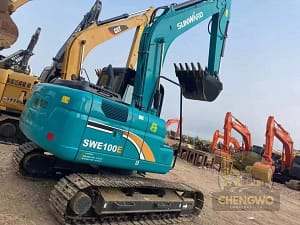
3. Bulldozer Wear Patterns: The Abrasion Challenge
Bulldozers operate in some of the most abrasive conditions in construction. Their wear patterns reflect the immense forces required to push and grade materials ranging from soft soil to fractured rock. The normal life expectancy of a bulldozer is approximately 7,000 to 10,000 hours, though wear and tear should be expected throughout this period.
3.1 Undercarriage Wear on Crawler Dozers
The undercarriage of a bulldozer experiences even more severe wear than that of an excavator due to the machine’s constant forward motion and high tractive effort. Track shoe wear on bulldozers is characterized by the loss of grouser height, which directly reduces traction. Severe wear of track shoes can result in a complete loss of traction, rendering the machine ineffective.
Track chains on bulldozers require careful monitoring. Track chains should typically be turned at approximately 50% wear and replaced when wear reaches 70%. Sprockets on bulldozers generally last through two chain sets before requiring replacement. Idlers and rollers should be replaced when wear exceeds manufacturer specifications.
One of the most common failure mechanisms on bulldozer undercarriages involves the track moving sideways due to improper alignment or worn components. This side movement causes accelerated wear of guide wheels, support wheels, sprocket wheels, and drive gear teeth, while simultaneously increasing wear on track pins and sleeves.
3.2 Blade and Ripper Wear
The blade of a bulldozer experiences wear primarily on its cutting edge and moldboard surface. The cutting edge should be monitored regularly for thinning and uneven wear patterns. Ripper tips and shanks, when equipped, undergo similar abrasive wear processes to excavator bucket teeth, with progressive material loss that eventually compromises ripping effectiveness.
4. Wheel Loader Wear Patterns: Tires, Buckets, and Beyond
Wheel loaders present a different set of wear considerations compared to track-mounted machines. Their rubber tires, articulated steering systems, and bucket configurations create distinctive wear signatures that require specialized knowledge to interpret.
4.1 Tire Wear: The Most Visible Indicator
Tire wear on wheel loaders is both the most visible and one of the most costly forms of degradation. Tread depth is the primary indicator, with tires typically requiring replacement when tread grooves reach less than approximately 15% of original depth. However, the pattern of wear is as important as the amount.
Extreme uneven wear or stepped-type wear patterns indicate specific problems. Excessive wear on one side of a tire suggests alignment issues or consistent operation on sloped surfaces. Cupping or scalloping indicates suspension or balance problems. Flat spots may result from aggressive braking or sliding. Regular tire rotation between front and rear positions can help extend tire life, though it is important to maintain the same tire size on each side of the loader.
4.2 Bucket and Cutting Edge Wear
The bucket of a wheel loader experiences wear patterns similar to those of excavator buckets, though the loading and dumping cycle introduces some distinctive characteristics. The cutting edge should wear evenly; uneven wear suggests poor operating habits, bucket tilt issues, or work that places more stress on one side.
Bolt-on cutting edges are replaceable, but their wear pattern provides important diagnostic information. If a new cutting edge is installed without addressing the underlying cause of uneven wear, the replacement will suffer the same fate. Operators should also inspect bucket corners and heel areas, as these regions often show wear from dragging and impact.
4.3 Articulation Joint and Hydraulic Wear
The articulation joint of a wheel loader—the pivot point between the front and rear frames—experiences continuous wear from steering forces and load transfer. Excessive play in this joint affects machine stability and steering precision. Pin and bushing wear in the articulation joint should be monitored and addressed before it leads to more extensive frame damage.
Hydraulic cylinders on wheel loaders, particularly those controlling lift and tilt functions, show wear through seal leakage, reduced lifting capacity, and slower cycle times. As with excavators, the progression from seal wear to cylinder failure follows a recognizable pattern that can be managed through regular inspection and timely maintenance.
5. Comparing Wear Across Machinery Types
While each machine type has its unique wear characteristics, several common principles apply across all construction equipment.
5.1 The Influence of Operating Conditions
The materials a machine works with, the terrain it operates on, and the specific application all significantly affect wear rates. Working in abrasive materials such as sand, gravel, or fractured rock accelerates wear on all ground-engaging components. Operating on hard surfaces increases undercarriage and tire wear. Confined spaces that require frequent turning and repositioning increase wear on undercarriage components and articulation joints.
5.2 The Domino Effect of Component Wear
One of the most important concepts in understanding construction equipment wear is the domino effect. A single worn component can initiate a cascade of damage throughout a system. A worn sprocket accelerates chain wear. Loose track chains cause additional roller and idler wear. Worn bucket pins cause uneven stress on cylinder rods and seals. Understanding this interconnectedness is essential for effective maintenance planning.
When evaluating used excavators and outras máquinas, recognizing the domino effect is particularly important. A machine with one visibly worn component may have hidden wear in related components that will soon require attention.
5.3 Wear as a Diagnostic Tool
Wear patterns are diagnostic tools that reveal how equipment has been used and maintained. Uneven wear almost always indicates a problem—improper tension, misalignment, operator technique, or underlying mechanical issues. Consistent, even wear typically indicates normal operation and proper maintenance.
Para os compradores de escavadoras usadas and other pre-owned machinery, reading wear patterns is an essential inspection skill. The condition of undercarriage components, bucket teeth, pins and bushings, and hydraulic systems provides a more accurate picture of a machine’s true condition than the hour meter alone.
6. Maintenance Strategies for Wear Management
Effective wear management requires a combination of preventive maintenance, condition monitoring, and timely component replacement.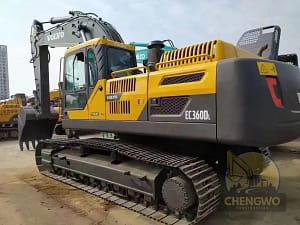
6.1 Daily Inspections and Walk-Arounds
Daily walk-around inspections are the first line of defense against accelerated wear. Operators should check for visible signs of wear, damage, or abnormality on all major components. Track tension and alignment should be verified. Bucket teeth and cutting edges should be inspected for wear or damage. Hydraulic hoses and fittings should be checked for leaks or abrasion.
6.2 Scheduled Maintenance and Component Replacement
Following manufacturer-recommended service intervals is essential for managing wear. This includes regular lubrication of pins and bushings, hydraulic oil changes and filtration, and systematic inspection of wear components. Component replacement should be based on wear measurements rather than arbitrary hour intervals.
Track chains should be replaced when pitch elongation exceeds approximately 3%. Sprockets should be replaced when tooth wear reaches approximately 50% of original height. Idlers should be replaced when diameter reduction exceeds approximately 10 mm. Following these guidelines prevents the domino effect of accelerated wear on related components.
6.3 Predictive Maintenance and Wear Analytics
Advances in technology are enabling more sophisticated approaches to wear management. Predictive maintenance uses condition monitoring and data analytics to anticipate component failure before it occurs. Wear pattern analytics helps construction firms understand how machinery degrades under long operational hours and variable environmental pressures.
Real-time data on equipment performance, combined with historical wear patterns, enables maintenance to be scheduled proactively rather than reactively. This approach reduces unplanned downtime, extends component life, and lowers overall maintenance costs.
7. Conclusion: The Value of Wear Understanding
Understanding wear patterns on different types of construction machinery is not merely a technical exercise—it is a practical skill with direct financial implications. For operators, it means recognizing problems early and preventing costly failures. For maintenance professionals, it means optimizing replacement schedules and extending component life. For buyers of used excavators and outras máquinas, it means making informed purchasing decisions and avoiding expensive surprises.
The language of wear is written on every machine. Those who can read it—who understand what different wear patterns mean and where they typically appear—have a significant advantage in managing construction equipment effectively. Whether evaluating escavadoras usadas for purchase, planning maintenance for an existing fleet, or simply striving to get the most value from every machine, the ability to interpret wear patterns is an essential competency in the construction industry.
As technology continues to advance, the tools available for wear analysis will become more sophisticated. But the fundamental principles remain the same: wear is inevitable, but accelerated wear is preventable. Regular inspection, proper maintenance, and timely component replacement are the keys to managing wear and maximizing the return on construction equipment investment.