


-300x225.webp) There is a unique kind of pressure that comes with managing a jobsite where the horizon meets the ocean. The view is spectacular, but for a fleet manager or equipment owner, that salty breeze is anything but relaxing. When you operate used excavators and heavy machinery in coastal environments, you aren’t just battling standard wear and tear; you are engaged in a chemical war.
There is a unique kind of pressure that comes with managing a jobsite where the horizon meets the ocean. The view is spectacular, but for a fleet manager or equipment owner, that salty breeze is anything but relaxing. When you operate used excavators and heavy machinery in coastal environments, you aren’t just battling standard wear and tear; you are engaged in a chemical war.
Salt-laden air—specifically the chloride ions present in marine aerosols—is one of the most aggressive corrosive agents on the planet. For used excavators, which often arrive on-site with existing paint chips or minor surface rust, the stakes are even higher. Unlike brand-new machines with pristine factory seals, pre-owned equipment requires a heightened level of vigilance.
If you fail to implement a strict anti-corrosion protocol, that profitable investment you made in used excavators and supporting Other machinery can transform into a structurally compromised, safety-hazardous pile of oxidized metal in less than 18 months. Hydraulic systems seize, electrical connections fail, and undercarriages literally crumble.
But it doesn’t have to end that way. This guide outlines a comprehensive, military-grade strategy to protect your assets. We will move beyond the generic “wash it often” advice and dive into the chemistry of corrosion, advanced barrier techniques, and operational protocols designed to ensure that your used excavators maintain their resale value and operational integrity, even when parked just meters from the surf.
Chapter 1: Understanding the Enemy – Marine Corrosion
Before you can defend your fleet, you must understand what you are fighting. Inland, rust is primarily driven by moisture and oxygen. On the coast, it is a different beast entirely.
The Chloride Ion Catalyst
When salt dissolves in water, it dissociates into sodium and chloride ions. Chloride ions are exceptionally small and aggressive. They penetrate the microscopic oxide layer that naturally forms on steel. Once they breach this passive layer, they act as a catalyst for an electrochemical reaction. Essentially, the salt doesn’t just cause rust; it speeds up the reaction exponentially. For used excavators, any scratch, weld seam, or area where paint has worn thin becomes a hotspot for this accelerated corrosion.
Galvanic Corrosion
Coastal sites often involve a mix of metals. If you have used excavators working on a site with steel sheet piling or if the machine is frequently loaded onto steel barges, you introduce the risk of galvanic corrosion. When two dissimilar metals are electrically connected in the presence of an electrolyte (salt water), one metal acts as an anode and corrodes rapidly. Brass fittings against steel booms, or aluminum radiators in steel frames, are common failure points in coastal excavator fleets.
Electrolysis Stray Current
While often overlooked, stray electrical currents can exacerbate corrosion. In a marine environment, moisture acts as a conductive medium. If your used excavators have faulty wiring or grounding issues, the stray current will seek the easiest path to ground through the machine’s structure, causing pitting corrosion that can compromise structural integrity in months rather than years.
Chapter 2: Procurement and Inspection – Starting Smart
The battle against rust begins before the machine even arrives on site. When sourcing used excavators for coastal work, your inspection criteria must be more stringent than for inland equipment.
Selecting the Right Base Machine
Not all used excavators are created equal for marine environments. Look for machines originally sold in coastal regions or those that have been “marine-spec” from the factory. Many manufacturers offer upgraded paint systems (epoxy-based rather than acrylic) and sealed electrical connectors for maritime applications. If you are buying standard used excavators, prioritize units with 95% or more original paint. A machine that has been repainted to hide rust is a liability; the rust is already underneath, waiting to explode in the salt air.
The Undercarriage Deep Dive
For any excavator, the undercarriage is the most vulnerable area. On coastal sites, it is the primary contact point with sand, salt water, and debris. When inspecting used excavators for coastal use, bring a hammer. Tap the track links and rollers. A hollow sound indicates advanced internal corrosion. Check the tensioner assembly; salt often accumulates here, leading to seal failure and loss of track tension. If the undercarriage shows deep pitting rather than standard wear, pass on the unit.
Electrical System Audit
Salt air is a nightmare for electronics. Inspect the main wiring harnesses on potential used excavators. Look for brittle plastic looms, green oxidation on copper wires, or corrosion inside fuse boxes. A machine with a compromised electrical system in a coastal environment will suffer from intermittent failures, false error codes, and eventual total system failure.
Chapter 3: The High-Performance Wash Protocol
If you ask ten equipment managers how they wash their used excavators, you will get ten different answers. However, in a coastal environment, washing is a science, not a chore. Done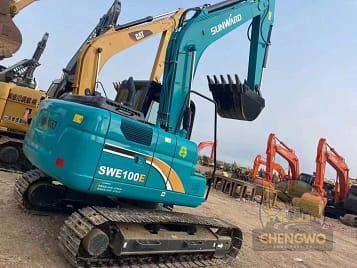 incorrectly, washing can actually drive salt deeper into crevices and accelerate corrosion.
The Freshwater Mandate
Never rely on seawater or brackish water for rinsing. It seems obvious, but on remote coastal sites, using available seawater for pressure washing is a common shortcut. This is a catastrophic mistake. You are essentially spraying your used excavators with a concentrated electrolyte solution. You must haul freshwater to the site. If freshwater is scarce, invest in a mobile water treatment unit or a high-capacity reverse osmosis system to ensure your rinse water is chloride-free.
The 3-Stage Wash System
To effectively protect used excavators and Other machinery on a coastal site, implement a mandatory 3-stage wash:
-
Cold Water Soak: Before any scrubbing, soak the machine. This dissolves and dilutes the salt crystals. Salt is hygroscopic (it attracts moisture). If you scrub dry salt, you are grinding abrasive crystals into the paint and seals.
-
Salt-Away or Chemical Neutralization: Standard soaps do not neutralize salt. Utilize a salt-neutralizing chemical (often phosphoric acid-based or specially formulated marine wash detergents) injected through a pressure washer. These chemicals chemically bond with chloride ions, neutralizing their corrosive potential. Apply this to the entire machine, focusing on hydraulic cylinder rods, boom linkage pins, and the undercarriage.
-
Low-Pressure Rinse: High pressure (over 2,000 PSI) forces water past seals and into electrical connectors. After the neutralizer has dwelled for the required time, rinse with low-pressure freshwater. The goal is to carry contaminants away, not to blast them into sensitive areas.
Focus Zones
For used excavators, pay special attention to:
-
Hydraulic Cylinder Rods: Salt pits on chrome rods will destroy the wiper seals, leading to hydraulic fluid leaks. Wipe rods down after washing if possible.
-
Swing Bearing: The swing bearing is a massive, exposed gear. Salt accumulation here leads to premature failure of the swing motor and bearing race.
-
Track Frames: Mud and sand pack inside the track frame, holding moisture against the steel 24/7. Ensure the track frame drains are clear.
Chapter 4: Advanced Corrosion Prevention Barriers
Washing is reactive; coating is proactive. In a marine environment, the standard “grease and go” approach is insufficient. You need to build a barrier.
The Cosmoline Approach
Cosmoline or heavy-duty corrosion inhibiting compounds (CICs) are the gold standard for long-term storage or active coastal work. These waxy, amber-colored coatings dry to a firm film that salt air cannot penetrate. For used excavators working daily, apply a “wet” version to:
-
All hydraulic fittings: Remove the paint? Cover it in CIC.
-
Boom and arm pin joints: While grease lubricates the internals, the exterior of the pin housing is bare steel. Coat it.
-
Chassis and counterweight: The counterweight is often raw cast iron or steel with minimal paint. It acts like a sponge for rust. A heavy coating of marine-grade corrosion inhibitor here can add years to the machine’s structural life.
Undercoating and Cavity Wax
Modern used excavators have hollow frames (the main chassis is a box structure). These cavities are breeding grounds for rust because they collect condensation and are impossible to wash effectively. Use a cavity wax (like those used in the automotive industry for rust-proofing) with a long nozzle to inject wax into:
-
The inside of the main frame rails.
-
The inside of the boom and arm (through access ports).
-
The hollow sections of the track frames.
Paint Repair Protocols
Touch-up paint on a coastal site isn’t about aesthetics; it is structural protection. When a rock chips the paint on used excavators, you have exposed bare steel to salt air. Rust will begin forming under the surrounding paint (crevice corrosion) within hours.
-
Immediate Action: Keep epoxy-based primer and topcoat in a mobile service truck. Any chip or scratch must be sanded to remove any nascent rust, primed, and painted the same day.
-
Zinc-Rich Primers: Use primers with high zinc content. Zinc acts as a sacrificial anode, protecting the underlying steel even if the primer is scratched.
Chapter 5: Lubrication and Fluid Management
Salt air doesn’t just attack metal; it attacks lubricants. When used excavators operate in coastal environments, lubricants can become contaminated with salt crystals, turning grease into an abrasive paste and compromising engine oil.
Grease as a Seal
In a marine environment, grease serves a dual purpose: lubrication and exclusion. Over-greasing is actually recommended for coastal used excavators. When you pump fresh grease into a pin joint, you are forcing out the old, potentially salt-laden grease. This creates a “purge” of fresh grease around the seal, physically pushing salt water away from the bearing surfaces. Grease your used excavators daily if they are in active salt-laden conditions.
Fluid Analysis
Your oil is your engine’s bloodstream. On coastal sites, it is vulnerable to salt ingestion through the air intake and crankcase breather. Implement a strict oil sampling schedule (every 150-250 hours) for your used excavators and Other machinery. Look for elevated sodium and chloride levels in the spectrographic analysis. If you find salt in the oil, it is a sign of a failing air filtration system or compromised seals, requiring immediate remediation to prevent catastrophic engine failure.
Chapter 6: Electrical System Fortification
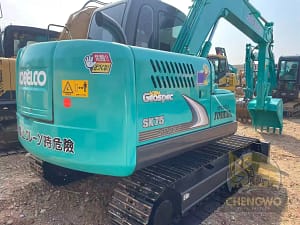 The electrical system is the Achilles’ heel of modern used excavators. In coastal environments, the green death (copper oxide) spreads through wiring harnesses via capillary action.
Dielectric Grease and Sealing
Every electrical connection on site—from the alternator to the sensor plugs—must be sealed. When you acquire used excavators, plan to spend the first week going through every Deutsch connector and fuse box.
-
Dielectric Grease: Pack every connector with dielectric grease before mating. This excludes moisture and prevents terminal oxidation.
-
Heat Shrink: Any repaired or spliced wire must be sealed with marine-grade adhesive-lined heat shrink tubing. Standard electrical tape fails within weeks in salt air, trapping moisture against the wire.
Grounding Maintenance
Corrosion at grounding points is a common source of mysterious electrical issues. Remove, clean, and reattach all ground straps on your used excavators. Apply a conductive anti-seize compound to the mating surface and then coat the exterior with a heavy layer of corrosion inhibitor. A bad ground in a coastal excavator can lead to control module failures and erratic machine behavior.
Chapter 7: Operational Strategies – Smart Parking
How you operate and park your used excavators on a coastal site is just as important as the maintenance protocol.
The Windward Strategy
Salt is carried by wind. When parking used excavators at the end of the day, park them with the engine and cab facing away from the prevailing wind. If the wind is coming off the ocean, park the machine with the rear (engine compartment) downwind, allowing the wind to hit the front of the machine. This prevents salt spray from being forced into the radiator, cooling fins, and engine air intake.
Elevation and Hardstanding
Never park used excavators directly on sand or mud. The ground holds moisture and salt, creating a humidity chamber under the machine. If possible, establish a hardstanding area with crushed rock or, ideally, concrete. If concrete isn’t available, use timber mats to elevate the tracks off the ground. This allows airflow to dry the undercarriage and prevents the track chains from sitting in a saltwater slurry.
The Storage Cycle
If used excavators will be idle for more than 72 hours on a coastal site, the corrosion process accelerates because no movement is occurring to disturb the salt accumulation.
-
Short Idle (3-7 days): Run the machine to operating temperature to evaporate moisture in the engine and hydraulics. Cycle all hydraulic functions to redistribute oil.
-
Long Idle (1 week+): If possible, wash, dry, and cover the machine. However, avoid using tarps that trap moisture. Use breathable, specialized equipment covers or, ideally, store in a container or warehouse if available.
Chapter 8: Protecting Supporting Machinery and Attachments
While used excavators are often the focus, the supporting cast—Other machinery such as dump trucks, wheel loaders, generators, and attachments—often rust out faster because they receive less specialized attention.
Attachments are Expendable (But They Don’t Have to Be)
Hydraulic hammers, grapples, and buckets are often made of high-wear steel that rusts instantly. For excavator attachments:
-
Store buckets off the ground: Use concrete blocks to lift them off the dirt.
-
Grease quick couplers: The hydraulic quick coupler is a high-value component. Ensure it is drenched in corrosion inhibitor. Salt in the coupler mechanism leads to failures that can drop an attachment during operation—a serious safety hazard.
Wheel Loaders and Trucks
For wheeled Other machinery:
-
Brake Systems: Coastal sand and salt destroy brake calipers and rotors. If the machines have air brakes, the air system is vulnerable to moisture ingress from humid salt air. Ensure air dryers are functioning perfectly and purge the tanks daily.
-
Radiators: Salt air clogs radiators with corrosion and debris. A clogged radiator on a coastal site leads to overheating in minutes. Clean radiators and coolers daily with low-pressure water, taking care not to bend the fins.
Chapter 9: Monitoring and Documentation
You cannot manage what you do not measure. Protecting used excavators in a coastal environment requires a shift from reactive repairs to predictive maintenance.
The Corrosion Log
Create a digital log for each excavator and piece of Other machinery. Use a smartphone or tablet to take high-resolution photos of known hotspots (cylinder rods, boom welds, undercarriage) weekly. Compare images over time to identify the rate of corrosion. This helps you determine if your countermeasures are working or if a machine needs to be rotated inland.
Ultrasonic Thickness Testing
For older used excavators working in severe coastal environments, consider annual ultrasonic thickness (UT) testing on structural components. The main boom, arm, and frame can corrode from the inside out. Visual inspection won’t reveal a frame that has thinned from ½ inch to ⅛ inch due to internal rust. UT testing provides quantitative data on structural integrity, preventing catastrophic failure and protecting operator safety.
Resale Value Strategy
If you are buying used excavators with the intention of selling them later, a coastal deployment must be part of your depreciation strategy. Keep immaculate records of your anti-corrosion protocols. A buyer will pay a premium for a machine that has a documented history of freshwater rinsing, salt neutralization, and cavity waxing. Without this documentation, a coastal machine is assumed to be a rust bucket, regardless of its actual condition.
Chapter 10: The Human Element – Training the Crew
The best corrosion prevention program fails if the operators do not buy in. The daily habits of the person in the cab are the frontline defense for your used excavators.
Operator Responsibility
Train operators to:
-
Clean the cab: Salt spray gets tracked into the cab. Salt crystals in the joysticks and switchgear cause electrical failures. Wipe down interior controls with a damp cloth weekly.
-
Avoid Saltwater Puddles: If possible, avoid driving used excavators through deep saltwater puddles. Submerging axles, final drives, and swing bearings floods them with saltwater, which is difficult to flush out.
-
Report Immediately: If an operator damages a hydraulic line or scratches deep into the boom paint, they must report it immediately. A delay of even a day in a coastal environment allows rust to take hold in the bare metal.
Incentivize Preservation
Consider implementing a preservation bonus. If a fleet of used excavators and Other machinery returns from a coastal project with minimal corrosion and passes a strict post-project inspection, reward the maintenance team and operators. This shifts the mindset from “it’s just a rental machine” to “this is an asset we are protecting.”
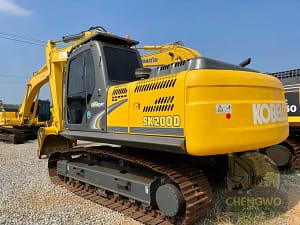
Conclusion: The Cost of Neglect vs. The Value of Vigilance
Operating heavy machinery on the coast is not an inevitability of loss; it is a challenge of discipline. Salt air is relentless, but it is predictable. By understanding the chemistry of corrosion, implementing a strict wash protocol, utilizing advanced barrier coatings, fortifying electrical systems, and training your crew, you can effectively prevent your used excavators from turning into scrap metal.
The difference between a machine that lasts five years in a coastal environment and one that lasts fifteen years is not the brand; it is the maintenance philosophy. Every time you skip a wash, ignore a paint chip, or park on wet sand, you are handing a victory to the corrosion.
In the competitive world of construction, your fleet is your greatest asset. By adopting these marine-grade preservation strategies, you ensure that your used excavators and Other machinery remain reliable, safe, and profitable, no matter how close they are to the sea. The salt will always be there, but with the right protocols, it doesn’t have to win.