


1. Introduction to Acoustic Diagnosis in Heavy Equipment
Unusual sounds in excavators are not merely annoyances—they are critical warning signals. For operators, maintenance teams, and buyers of used excavators, learning to interpret these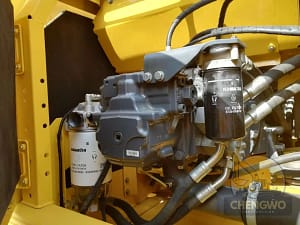 noisescan prevent catastrophic failures, reduce downtime, and save thousands in repair costs. Unlike other machinery such as bulldozers or loaders, excavators combine complex hydraulic systems, rotating structures, and undercarriage components that each produce distinct acoustic signatures. This guide provides a systematic approach to identifying abnormal sounds, focusing on root causes and corrective actions. No case studies are included; instead, you will find direct, actionable information based on mechanical principles and field observations. By mastering sound-based diagnostics, you extend the life of your excavator and maintain job site efficiency.
2. Fundamentals of Excavator Noise Patterns
Before diving into specific sounds, understand what “normal” operation sounds like. A healthy excavator emits a low, consistent rumble from the engine, a steady hiss from hydraulic fluid circulation, and rhythmic clanking from track movement. Any deviation—a sharp knock, a grinding scrape, or a high-pitched whine—deserves attention. The key is to differentiate between routine mechanical noise and symptomatic sound. This section outlines the primary noise origins in excavator design: the power train, hydraulic system, swing gear, undercarriage, and attachment linkages. Recognizing where a sound comes from narrows down the possible defects by 70%.
2.1 Why Listening Matters More for Used Excavators
When evaluating used excavators, acoustic inspection is as vital as visual checks. Older machines may have accumulated wear in bushings, bearings, and gears that produces subtle but telling sounds. Unlike new units with uniform break-in noise, a used excavator often carries unique acoustic fingerprints from previous usage. Operators who ignore these signals risk sudden breakdowns in remote sites. Therefore, this guide emphasizes techniques applicable to both current fleets and pre-purchase inspections of used excavators.
3. Engine-Related Unusual Sounds
The engine is the heart of any excavator, and its sounds reveal combustion, valve train, and turbocharger conditions. Engine noises often change with load and temperature, making them more predictable.
3.1 Knocking or Pounding under Load
A deep, rhythmic knock that intensifies when the hydraulic pump engages indicates bearing failure—typically connecting rod or main bearings. This occurs when oil pressure drops or clearance exceeds tolerance. Stop operation immediately; continued use can rupture the engine block. In used excavators, worn bearings are common due to past oil neglect. Compare with other machinery like wheel loaders: excavator engines run at variable RPMs for digging, so knocking may appear only under hard digging torque.
3.2 Metallic Tapping at Idle
High-pitched, rapid tapping that speeds up with RPM suggests valve train issues: loose rocker arms, worn camshaft lobes, or collapsed lifters. While less urgent than knocking, tapping should be investigated within one shift. For excavator models with overhead cams, check timing chain tension. In cold climates, thin oil can temporarily cause tapping; if it persists after warm-up, adjust valves.
3.3 Hissing or Whistling from Engine Bay
A constant hiss, often accompanied by power loss, points to an intake or exhaust leak. Cracked turbo hoses or a leaking manifold gasket create a whistle. On turbocharged excavator engines, a whining turbo that rises with RPM may indicate failing bearings. Differentiate from hydraulic hiss (covered later) by listening at the exhaust stack—a turbo whine is most audible there.
3.4 Pre-Ignition or Detonation “Pinging”
A light, irregular pinging under load (especially in hot weather) signals low-octane fuel or carbon deposits raising cylinder temperatures. Modern excavator engines have knock sensors, but older used excavators lack this protection. If pinging occurs, switch to higher-octane fuel and decarbonize the combustion chamber. Ignoring it leads to piston erosion.
4. Hydraulic System Noises
Hydraulics are the muscle of an excavator, responsible for boom, arm, bucket, and travel functions. Unusual hydraulic sounds often reflect fluid condition, pump health, or valve operation. Because other machinery like backhoes share similar hydraulic principles, the following diagnostics apply broadly, but excavators have higher flow rates (up to 500 L/min) that amplify noise.
4.1 High-Pitched Whine during Cylinder Movement
A continuous whine that changes pitch when you operate a function (e.g., curling the bucket) suggests cavitation—air bubbles in the hydraulic fluid. Causes include low fluid level, clogged suction strainer, or a leak on the pump inlet line. Check fluid immediately; running with cavitation destroys pumps within hours. On used excavators, aged hoses often develop micro-cracks that suck air without leaking oil visibly.
4.2 Growling or Grating from the Pump
A low, coarse growl that increases with engine RPM (not function movement) indicates pump wear. Axial piston pumps in excavator systems develop scoring on cylinder blocks or valve plates. To confirm, use a mechanic’s stethoscope on the pump housing. If growling persists after fluid change, rebuild or replace the pump. Compare with other machinery using gear pumps (e.g., skid steers)—gear pumps whine when worn, not growl.
4.3 Banging or Clunking when Actuating Joysticks
A sharp bang when starting or stopping a cylinder movement means excessive backlash in the swashplate or loose pump mounting bolts. Alternatively, air in the system (from previous maintenance) can cause hydraulic hammer. Bleed the system by cycling cylinders fully without load. If noise continues, inspect pump couplers and mounts. This sound is rare in well-maintained excavator fleets but common in used excavators with neglected pump servicing.
4.4 Sizzling or Crackling from Valves
A sound like frying bacon near the control valve stack indicates internal leakage across spools. Worn spool-to-bore clearance allows high-pressure fluid to jet through tiny gaps, creating acoustic cavitation. This reduces digging power and raises oil temperature. For excavator owners, rebuilding valve sections is cheaper than pump replacement. Unlike other machinery with open-center hydraulics, excavators use load-sensing systems where spool leakage is more detectable by sound.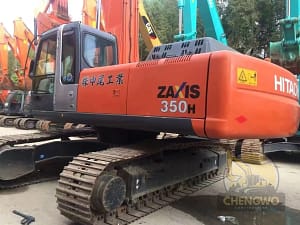
5. Undercarriage Sounds (Tracks and Running Gear)
The undercarriage supports the excavator’s weight and absorbs terrain shocks. Noise from this area often signals track, sprocket, roller, or idler issues. Because used excavators frequently have undercarriage wear from prior operations, these sounds are especially telling.
5.1 Sharp Clicking or Popping while Traveling
A rhythmic click that accelerates with track speed indicates a foreign object (stone, bolt) lodged between the track chain and sprocket or idler. Inspect immediately; debris can break teeth or derail the track. On rubber-tracked excavator models, clicking may also come from a missing track pad bolt.
5.2 Scraping or Grinding from Track Chain
Continuous metal-on-metal scraping suggests track chain contact with the track frame or roller flanges. Causes include excessive chain sag (worn pins/bushings), a bent track frame, or collapsed carrier rollers. Measure track sag: for excavator chains, sag of 30-50mm between top roller and track is normal. More than 80mm means chain replacement. For other machinery like dozers with sealed tracks, grinding often means seized track seals—but excavators typically use dry chains, so grinding equals metal wear.
5.3 Low-Frequency Thumping at Each Revolution
A dull thud every full track rotation (every 40-60 links) points to a broken track link or a missing track bolt. This is dangerous because a broken link can separate the track. Stop the excavator and visually inspect the undercarriage. On used excavators with rusted chains, thumping may also come from a frozen link that releases suddenly under tension.
5.4 Squealing from Final Drives
A high-pitched squeal when turning or traveling on slopes indicates insufficient lubrication in the final drive planetary gears. Planetary hubs require gear oil; leaks or contaminated oil cause bearing and gear squeal. Check the final drive oil level via the plug. If low, inspect for seal failure. Many used excavators sold at auction have dry final drives—this sound is a major red flag.
6. Swing and Rotation Mechanism Sounds
The swing gear allows the excavator’s upper structure to rotate 360 degrees. This system combines a swing motor, reduction gear, and swing bearing (slew ring). Noises here are unique to excavators and some specialized other machinery (like material handlers).
6.1 Clunking or Thumping while Starting/Stopping Swing
A single clunk when you initiate or end a swing motion indicates backlash in the swing gearbox or worn swing bearing teeth. If the clunk repeats with each swing reversal, check for loose swing motor mounting bolts. For excavator swing drives, acceptable backlash is 0.5-1.0mm measured at the gearbox output shaft. Excessive backlash leads to tooth breakage.
6.2 Continuous Grinding during Swing
A grinding noise that persists throughout the swing arc means internal contamination in the swing bearing. Dirt or metal particles have entered the bearing raceway. Stop swinging immediately; continued use will jam the bearing. To diagnose, listen through a screwdriver pressed against the lower frame. On used excavators, swinging with a dirty bearing is common after track work without covering the swing gear.
6.3 Clicking at Fixed Swing Positions
A click that occurs only at specific rotation angles (e.g., every 90 degrees) suggests a damaged raceway or a missing ball/roller in the swing bearing. This requires disassembly and bearing replacement. For excavator owners, this noise is expensive to ignore—a seized slew ring can total the machine.
7. Attachment and Linkage Noises
Attachments (bucket, quick coupler, hydraulic hammer) and linkage pins produce sounds that differ from the main machine. Since excavator attachments vary widely, focus on generic connection points.
7.1 Squeaking from Bucket Pin Joints
A dry, high-pitched squeak when curling the bucket indicates lack of grease in the bucket pin or arm-to-bucket joint. Grease immediately. If squeaking continues after greasing, the pin bushing is worn beyond tolerance, allowing metal-on-metal contact. On used excavators, elongated bushings are common because previous owners skipped daily greasing. Compare with other machinery like wheel loaders (which have Z-grease fittings but different geometry)—excavator bucket pins endure higher side loads, so they squeak earlier.
7.2 Knocking when Lifting the Boom
A sharp knock each time the boom starts raising suggests excessive clearance in the boom foot pin or boom cylinder rod-end pin. As hydraulic pressure lifts, the pin shifts within its worn bushing, creating a knock. Measure pin-to-bushing clearance; more than 2mm requires replacement. This sound is often mistaken for hydraulic issues, but the knock’s timing (only at lift initiation) points to linkage wear.
7.3 Rattling from Quick Coupler
A metallic rattle when the bucket is under load (digging or shaking) indicates a loose quick coupler. Safety hazard—the bucket could detach. Stop and inspect the coupler’s locking mechanism. Many used excavators have quick couplers that were retrofitted; rattling means improper fit or worn wedges.
8. Exhaust and Air System Abnormal Sounds
Though part of the engine, exhaust and air systems produce distinct noises that affect excavator performance and emissions compliance.
8.1 Loud Chuffing or Puffing from Exhaust
Irregular puffs of exhaust sound (like a steam locomotive) indicate a leaking exhaust manifold gasket or cracked manifold. The leak creates a chuff synchronized with firing cylinders. This reduces turbo boost pressure. Repair quickly; hot exhaust gases can damage nearby wiring. For used excavators, manifold cracks are common due to thermal cycling.
8.2 Hooting or Honking from Intake
A deep, resonant “hoot” when accelerating the engine points to a restricted air filter or a collapsed intake hose. The sound is air rushing through a narrowed passage. Replace the air filter; if noise persists, inspect intake ducting for delamination. Unlike other machinery with naturally aspirated engines, turbocharged excavator engines are more sensitive to intake restrictions.
9. Techniques for Accurate Sound Localization
Effective diagnosis requires more than good ears. Use these methods to pinpoint the source of unusual sounds in your excavator.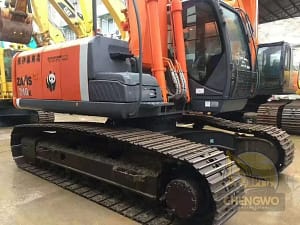
9.1 The Screwdriver Stethoscope
Place a long screwdriver or metal rod against the suspected component (pump, engine block, gearbox) and press the handle to your ear. This conducts sound directly, bypassing air noise. For used excavators with multiple worn parts, this tool helps isolate which component is noisy. Always work with the excavator on level ground and the parking brake engaged.
9.2 Load vs. No-Load Testing
Run the excavator at idle, then under working load (e.g., lifting the boom with a full bucket). Note if the sound changes. Load-dependent noises (knocking, whining) point to hydraulic or engine power train. Load-independent noises (clicking, scraping) often indicate undercarriage or rotating parts. Compare behavior against other machinery in your fleet; for example, a dozer’s load noise may differ due to direct drive vs. hydrostatics.
9.3 Use of Electronic Acoustic Sensors
For professional fleets, bolt-on vibration sensors or acoustic cameras (like those from Fluke) map noise sources visually. While expensive, they reduce misdiagnosis. For individual owners of used excavators, a $20 mechanic’s stethoscope offers 90% of the benefit.
10. When to Take Action: Priority Levels
Not every unusual sound demands immediate shutdown. Categorize by risk to prevent unnecessary downtime while avoiding disasters.
10.1 Critical Sounds – Stop Immediately
Deep knocking from engine, continuous grinding from swing bearing, sharp banging from final drives, or any sound accompanied by metal particles in oil or hydraulic fluid. For excavator safety, shut down and tow to a shop. Ignoring these sounds doubles repair costs.
10.2 High-Priority – Inspect Within One Shift
Squealing from hydraulic pump, popping from undercarriage, clunking in swing gear. These sounds indicate wear that will fail within 10-20 operating hours. Schedule inspection before the next workday. For owners of used excavators, these are bargaining points if you discover them during pre-purchase listening.
10.3 Low-Priority – Monitor and Schedule Maintenance
Dry squeaking from pins (if greased regularly), slight tapping from valve train (if oil is fresh). These affect efficiency but not immediate safety. However, do not ignore for months—they degrade excavator resale value.
11. Preventing Recurring Unusual Sounds
After identifying and fixing a noise, implement prevention practices tailored to excavator operation.
11.1 Daily Walk-Around Listening
Before starting the engine, walk around the excavator and note any new sounds from the previous day. A two-minute listen at cold idle catches issues before they worsen. For fleets mixing used excavators and newer units, keep a logbook of baseline sounds for each machine.
11.2 Lubrication and Fluid Analysis
Stick to OEM grease intervals for all pins (every 10 operating hours for excavator attachments). Hydraulic oil should be sampled every 500 hours for particle count and viscosity. Used excavators benefit from more frequent sampling because past contamination may be present. Unlike other machinery with simpler hydraulics, excavators’ load-sensing systems are intolerant of dirty oil.
11.3 Operator Training
Train operators to report unusual sounds immediately, not at the end of the shift. Many excavator breakdowns begin as a faint noise that a distracted operator misses. Include acoustic recognition in your safety briefings.
12. Distinguishing Excavator Sounds from Other Machinery
Job sites often have multiple equipment types. Knowing what is unique to an excavator avoids chasing ghosts.
12.1 Excavator vs. Bulldozer
Bulldozers produce continuous track scraping due to their straight frames, while excavator undercarriage sounds are more intermittent because the machine pivots. A bulldozer’s final drive whine is steady; an excavator’s final drive squeal changes with swing angle.
12.2 Excavator vs. Wheel Loader
Wheel loaders have hydraulic fans and transmission whines that mimic excavator pump noise. However, a wheel loader’s hydraulic noise typically stays constant when the bucket is held stationary, whereas an excavator’s pump whine changes with any joystick movement. For owners of used excavators who also operate other machinery, this distinction prevents misdiagnosing a loader issue as an excavator issue.
12.3 Excavator vs. Backhoe
Backhoes share excavator-like hydraulics but on a smaller frame. The key difference: backhoe swing is often rack-and-pinion (on older models) while excavator swing is hydraulic motor + gearbox. Thus, a clunk in backhoe swing may be normal lash; in an excavator, it is wear.
13. Conclusion – Mastering Acoustic Awareness
Identifying unusual sounds in excavator operations is a skill that protects your investment and safety. From engine knocks that herald bearing failure to hydraulic whines that warn of cavitation, each noise has a predictable cause. Regular listening, combined with the localization techniques described here, allows you to prioritize repairs without guesswork. For those buying used excavators, sound inspection is a powerful negotiation tool—a machine that runs quietly under load is worth a premium. And while other machinery on the site will produce their own acoustic signatures, the excavator’s unique combination of swing, hydraulics, and undercarriage demands specialized attention. Commit to a weekly sound audit, maintain lubrication schedules, and never dismiss a new noise as “just normal.” Your excavator—whether new or pre-owned—will reward you with higher uptime and lower total cost of ownership.