


.webp)
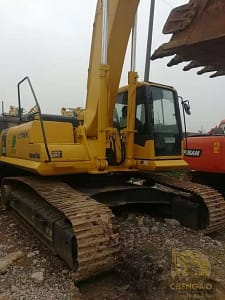
In the global construction and mining industries, the lifecycle of heavy machinery presents both challenges and opportunities. As used excavators reach the end of their operational viability on-225x300.webp) job sites, many face the scrapyard—a costly and environmentally taxing outcome. However, an innovative trend is giving these machines a remarkable “second life”: converting excavators into stationary crushing stations. This technical transformation not only extends the utility of valuable equipment but also offers cost-effective solutions for material processing operations.
job sites, many face the scrapyard—a costly and environmentally taxing outcome. However, an innovative trend is giving these machines a remarkable “second life”: converting excavators into stationary crushing stations. This technical transformation not only extends the utility of valuable equipment but also offers cost-effective solutions for material processing operations.
The concept revolves around repurposing the core structural and hydraulic components of used excavators to create robust, efficient crushing installations. With the rising costs of new Other machinery and increasing emphasis on sustainable practices, this conversion approach is gaining traction among equipment managers, quarry operators, and recycling facilities worldwide.
Understanding the Core Components: What Makes Excavators Suitable for Conversion
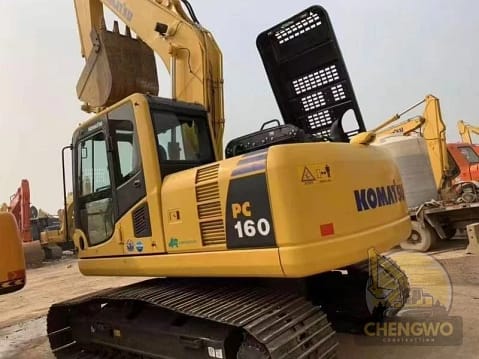
Excavators, particularly larger models from reputable manufacturers, are engineered with exceptional structural integrity and powerful hydraulic systems. When these machines are deemed unsuitable for traditional excavation work due to frame damage, high hours, or outdated mobility features, their core components often remain in serviceable condition.
The undercarriage, boom structures, and hydraulic systems of used excavators contain precisely the elements needed for stationary crushing applications. The main frame provides a solid foundation, while the hydraulic pumps, valves, and motors can be repurposed to drive crushing mechanisms. This inherent compatibility forms the basis for successful conversion projects.
The excavator‘s hydraulic system, typically capable of delivering substantial pressure and flow rates, is particularly valuable. In their original configuration, these systems power complex digging and lifting operations. When adapted for crushing duty, they can efficiently drive jaw crushers, impact breakers, or cone crushing mechanisms with minimal modification.
Technical Assessment: Evaluating Candidate Machines for Conversion
 Not every used excavator is an ideal candidate for transformation into a stationary crushing station. A systematic evaluation process is essential to identify machines with the highest conversion potential and cost-effectiveness.
Structural Assessment: The machine’s main frame, boom, and attachment points must undergo thorough inspection. While some fatigue or wear is acceptable in stationary applications, critical structural components must retain sufficient integrity to handle crushing forces. The undercarriage of used excavators often suffers the most wear in traditional service but becomes irrelevant in stationary applications, allowing machines with completely worn tracks to still serve as excellent conversion candidates.
Hydraulic System Evaluation: The heart of the conversion lies in the hydraulic system. Pumps, valves, accumulators, and motors should be tested for performance specifications. Many older excavators feature robust hydraulic components that, even with considerable service hours, can deliver years of reliable operation in less demanding stationary applications. Other machinery components like hydraulic reservoirs and cooling systems may require cleaning or refurbishment but are typically reusable.
Power Plant Considerations: The engine of a used excavator represents another valuable asset. Diesel engines in these machines are built for continuous heavy-duty operation. Even with high hours, a well-maintained engine can provide reliable power for a crushing station, especially when operating parameters are optimized for stationary rather than mobile work. In some cases, engines may be de-rated for extended life in their new role.
Conversion Methodology: Step-by-Step Technical Transformation
The process of converting a excavator into a functional stationary crushing station follows a systematic engineering approach:
Phase 1: Deconstruction and Salvage
The machine is carefully disassembled, with usable components cataloged and stored. The undercarriage, tracks, and mobility components are typically removed entirely. The cab may be retained for controls or removed depending on the control system design. Critical components like the main frame, counterweight, and hydraulic components are cleaned, inspected, and prepared for reuse.
Phase 2: Structural Modification and Reinforcement
The excavator‘s main frame becomes the foundation of the crushing station. Modifications typically include:
-
Reinforcement of attachment points for the crushing mechanism
-
Addition of support structures for conveyors and feed systems
-
Integration of a stationary base or mounting system
-
Modification of the boom structure to serve as a support for feed mechanisms or crusher positioning
These modifications ensure the structure can handle the dynamic loads and vibrations inherent in crushing operations, which differ significantly from the loading patterns experienced during excavation work.
Phase 3: Hydraulic System Reconfiguration
The existing hydraulic system is adapted for its new purpose:
-
Piping is reconfigured to power the crushing mechanism rather than boom and bucket cylinders
-
Control valves are repurposed or replaced to manage crusher functions
-
Additional filtration and cooling may be incorporated to handle continuous operation
-
Safety systems are integrated to protect against overload conditions
This phase often incorporates components from Other machinery to create a hybrid system optimized for crushing applications.
Phase 4: Crushing Mechanism Integration
The core of the station—the actual crushing unit—is integrated with the repurposed excavator structure. This may involve:
-
Mounting a jaw crusher to the modified boom or main frame
-
Installing an impact crusher powered by the hydraulic system
-
Integrating screening and sorting mechanisms
-
Adding conveyors for material handling
The choice of crushing mechanism depends on the intended application—whether for quarry work, recycling operations, or specialized material processing.
Phase 5: Control System Implementation
Modern control systems transform the converted machine into an efficient processing station:
-
Integration of programmable logic controllers (PLCs) for automated operation
-
Implementation of safety interlocks and monitoring systems
-
Addition of production tracking and performance monitoring
-
Remote control capabilities for operational flexibility

Engineering Considerations and Technical Challenges
Converting excavators into stationary crushing stations presents specific engineering challenges that must be addressed for successful implementation:
Vibration Management: Crushing operations generate significant vibration that differs from the dynamic loads experienced during excavation. The repurposed structure must be analyzed for natural frequencies and potential resonance issues. Additional damping elements or structural reinforcements are often necessary to ensure long-term reliability.
Load Path Redirection: In their original configuration, excavators are designed to transfer digging forces through specific load paths. In crushing applications, these load paths change significantly. Finite element analysis (FEA) is often employed to verify that modified structures can handle the new loading patterns without premature fatigue failure.
Hydraulic System Optimization: While excavator hydraulic systems are robust, they may not be optimally configured for continuous crushing duty. Modifications to improve efficiency, reduce heat generation, and enhance responsiveness are typically required. Integration with Other machinery hydraulic components can help create a system tailored specifically to crushing requirements.
Safety Integration: Stationary crushing stations must comply with industrial safety standards, which differ from mobile equipment regulations. Guarding, emergency stops, lockout/tagout provisions, and dust control systems must be integrated into the design. The control system must include appropriate safety interlocks to protect operators and maintenance personnel.
Performance Characteristics and Operational Benefits
Converted crushing stations offer distinctive performance characteristics that make them valuable in specific applications:
Cost Efficiency: The primary advantage is substantial cost savings compared to purchasing new stationary crushing equipment. A high-quality conversion typically costs 40-60% less than equivalent new machinery while delivering comparable performance in appropriate applications.
Customization Potential: Unlike off-the-shelf solutions, converted stations can be tailored precisely to specific operational requirements. The modular nature of excavator components allows for creative solutions to unique processing challenges.
Sustainability Benefits: Repurposing excavators significantly reduces the environmental impact associated with manufacturing new equipment. The energy embodied in the original machine is extended, and substantial amounts of material are kept out of the waste stream.
Robust Performance: Excavators are engineered for the most demanding earthmoving applications. When adapted for stationary crushing, this inherent robustness translates to reliable performance even in continuous operation scenarios.
Parts Commonality: Many components in converted stations remain standard excavator parts, simplifying maintenance and reducing inventory requirements for operations that already utilize similar Other machinery.
Applications and Use Cases
Repurposed excavator crushing stations find applications across multiple industries:
Quarry Operations: Smaller quarries and aggregate producers utilize converted stations for secondary crushing, scalping, or specialized processing tasks. The ability to customize the station for specific rock types makes this approach particularly valuable.
Recycling Facilities: Construction and demolition waste recycling operations employ these stations for concrete breakup, asphalt processing, and material size reduction. The adaptability of hydraulic systems allows quick changes between different processing tasks.
Mining Support: In mining operations, converted stations handle oversize material processing, sample preparation, or specialized ore processing tasks where full-scale crushing circuits would be uneconomical.
Portable Processing: While primarily stationary, some conversions incorporate limited mobility options, allowing relocation between sites as needed—a hybrid approach that maximizes flexibility.
Economic Analysis and Return on Investment
The financial justification for converting excavators into crushing stations involves multiple factors:
Initial Investment Comparison: A detailed comparison between conversion costs and new equipment purchase reveals significant savings. While new stationary crushers represent substantial capital expenditure, conversions leverage existing assets at a fraction of the cost.
Operational Cost Considerations: Converted stations often demonstrate favorable operating costs due to:
-
Lower depreciation expenses
-
Reduced financing costs
-
Simplified maintenance through parts commonality with other equipment
-
Extended service life of repurposed components
Payback Period: Most conversion projects achieve payback within 12-24 months of operation, significantly faster than new equipment investments. This accelerated return makes the approach particularly attractive for smaller operations with capital constraints.
Total Cost of Ownership: When evaluated over a typical 5-7 year service life, converted stations frequently demonstrate total cost advantages of 30-50% compared to new equipment, even accounting for potential increased maintenance requirements.
Maintenance Considerations and Lifecycle Management
 Proper maintenance is crucial for maximizing the service life and reliability of converted crushing stations:
Preventive Maintenance Programs: These should address both the original excavator components and the integrated crushing elements. Hydraulic system maintenance is particularly critical, as continuous crushing operations place different demands on these systems than cyclical excavation work.
Component Monitoring: Key wear components, particularly in the crushing mechanism itself, require regular inspection and replacement. The structural modifications should be periodically examined for signs of fatigue or stress concentration.
Performance Optimization: Regular evaluation of operating parameters allows fine-tuning of the system for optimal efficiency. Hydraulic pressure settings, cycle times, and control sequences can be adjusted based on operational experience to maximize throughput and minimize wear.
Life Extension Strategies: As converted stations age, selective upgrades can extend their useful life. These might include hydraulic system modernization, control system updates, or wear component improvements. The modular nature of these stations facilitates such progressive enhancements.
Comparative Analysis with Purpose-Built Equipment
While converted stations offer compelling advantages, they also have limitations compared to purpose-built crushing equipment:
Efficiency Considerations: Purpose-built crushers typically demonstrate slightly higher energy efficiency and optimized performance for their specific application. However, the difference is often marginal in practical operation.
Capacity Limitations: Converted stations may have lower maximum capacity than large, purpose-built crushers. They excel in small to medium-scale applications where their cost advantages are most pronounced.
Specialized Features: Highly specialized crushing functions may be better served by purpose-built equipment. However, the adaptability of hydraulic systems allows converted stations to handle a remarkably wide range of materials and processing requirements.
Regulatory Compliance: In some jurisdictions, repurposed equipment may face different regulatory requirements than factory-built machinery. Proper documentation of engineering modifications and safety systems is essential for compliance.
Future Trends and Technological Integration
The practice of converting excavators into crushing stations continues to evolve with technological advancements:
Digital Integration: Modern conversions increasingly incorporate IoT sensors, remote monitoring, and predictive maintenance capabilities. These technologies enhance operational efficiency and reliability while providing valuable performance data.
Automation Enhancements: Advances in control systems allow increasingly automated operation, reducing labor requirements and improving consistency in processed material quality.
Hybrid Power Systems: Some conversions now integrate electric drives or hybrid power systems, particularly when stations operate in areas with power availability and environmental considerations favor reduced emissions.
Advanced Material Processing: Integration of sorting technologies, contamination removal systems, and quality monitoring transforms basic crushing stations into sophisticated material recovery installations.
Environmental Impact and Sustainability Metrics
The environmental benefits of repurposing used excavators extend beyond simple waste reduction:
Resource Conservation: Convertingequipment conserves the substantial resources embedded in the original machine—typically 15-25 tons of steel and other materials in larger excavators.
Energy Savings: The energy required for conversion is significantly less than that needed to produce new equipment from raw materials—typically 20-30% of the embodied energy in new machinery.
Circular Economy Contribution: This practice exemplifies circular economy principles, keeping high-value equipment components in productive use through multiple lifecycles rather than following the traditional linear “take-make-dispose” model.
Carbon Footprint Reduction: By avoiding manufacture of new equipment and associated transportation, conversions typically reduce the carbon footprint of crushing equipment by 40-60% over their service life.
Conclusion
The transformation of excavators into stationary crushing stations represents a sophisticated intersection of equipment repurposing, engineering innovation, and sustainable practice. This approach delivers practical, cost-effective solutions for material processing while addressing growing concerns about resource efficiency and environmental impact in the heavy equipment sector.
As technology advances and pressure for sustainable practices increases across the construction and mining industries, such repurposing initiatives are likely to gain further prominence. The technical knowledge required for successful conversions continues to develop, supported by growing experience and improved engineering methodologies.
For equipment owners and operators, this “second life” approach offers a compelling alternative to both equipment disposal and new machinery investment. By leveraging the inherent robustness and capability of used excavators, businesses can create customized processing solutions that meet their specific operational requirements while achieving significant economic and environmental benefits.
The practice exemplifies how innovation in equipment utilization can create value from assets that might otherwise be considered waste—a principle with increasing relevance across all sectors of heavy industry. As the global economy continues to emphasize circular principles, such creative repurposing of Other machinery will undoubtedly play an expanding role in sustainable industrial practice.