


1. The New Era of Construction Machinery
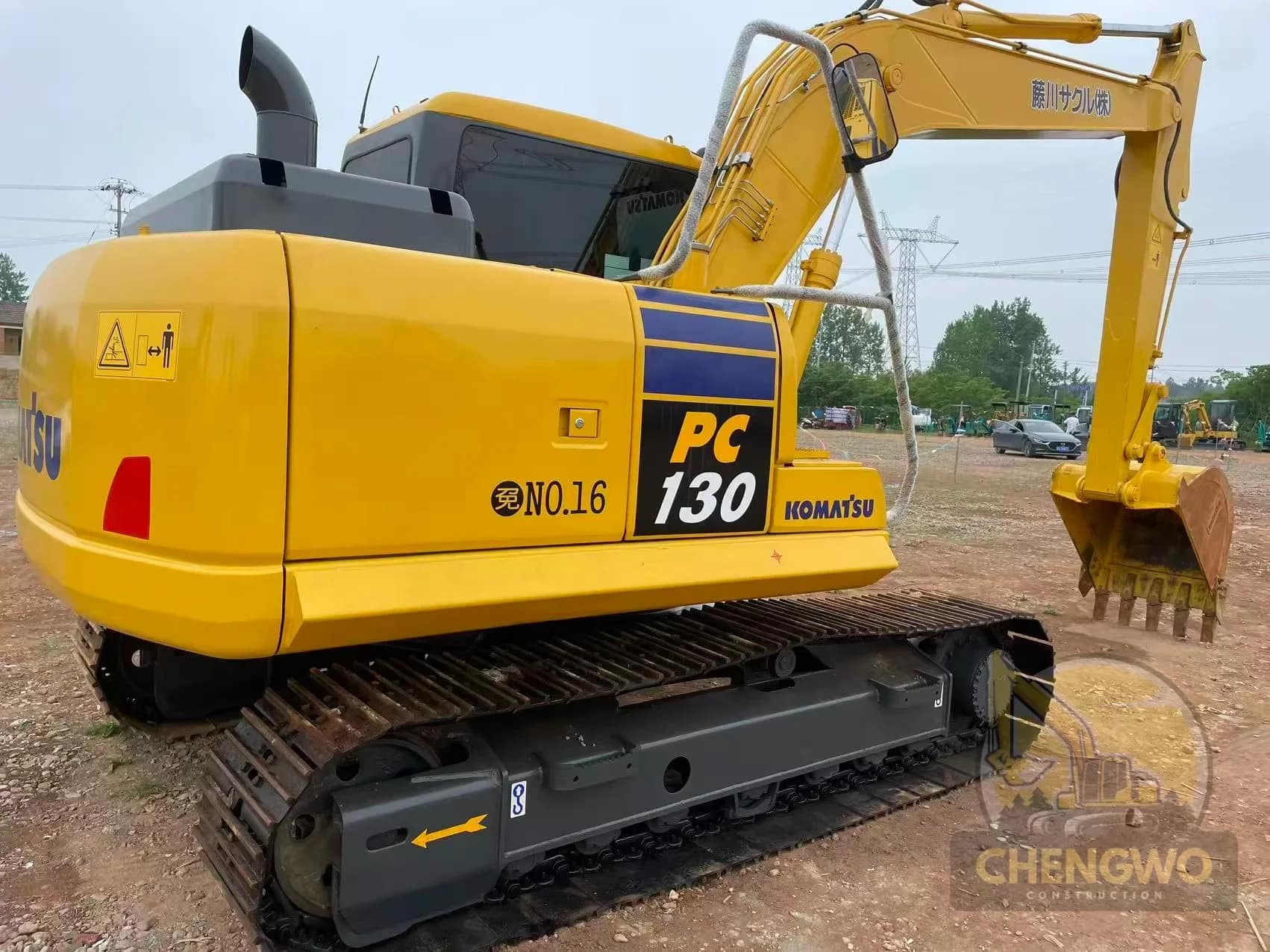
Modern construction methods have undergone a fundamental transformation over the past decade, driven largely by the evolution of heavy equipment. What was once a sector defined by-300x225.webp) brute force and manual oversight has become a sophisticated industry where machines think, communicate, and operate with remarkable precision. The global construction equipment market was valued at approximately USD 167 billion in 2025 and is projected to grow at a compound annual growth rate of 6.1%, reaching nearly USD 290 billion by 2035. This growth reflects not just increased construction activity but a fundamental shift in how projects are planned, executed, and managed.
brute force and manual oversight has become a sophisticated industry where machines think, communicate, and operate with remarkable precision. The global construction equipment market was valued at approximately USD 167 billion in 2025 and is projected to grow at a compound annual growth rate of 6.1%, reaching nearly USD 290 billion by 2035. This growth reflects not just increased construction activity but a fundamental shift in how projects are planned, executed, and managed.
Heavy equipment today is no longer merely about providing the muscle that crews need to get work done. Modern machinery also possesses the intelligence to help teams work more efficiently and safely, relieving pressure on often inexperienced workers. From autonomous excavators to electric wheel loaders, the machines shaping construction sites are becoming smarter, cleaner, and more connected than ever before.
This article examines the key ways heavy equipment is reshaping modern construction methods, exploring how technological advancements in automation, electrification, connectivity, and sustainable practices are redefining what is possible on job sites around the world.
2. Automation and Autonomous Machines
2.1 The Rise of Self-Operating Equipment
One of the most significant trends dominating the heavy construction equipment industry is the rise of autonomous machines. Major industry fairs have highlighted how leading manufacturers are advancing autonomous equipment, signaling a significant shift in site operations. While fully autonomous machines are not yet ubiquitous, substantial progress is being made to address common challenges and barriers.
Autonomous excavators represent a particularly notable development in this space. At Bauma 2025, a fully autonomous 15-tonne excavator based on the electric ZE135 drew significant attention. This machine received work instructions via a tablet and executed them independently, demonstrating the potential of AI-driven construction. The autonomous excavator brings together a range of technologies including robotics, artificial intelligence, GPS, LiDAR sensors, and cameras.
Bedrock Robotics has been conducting what it calls the construction industry’s largest supervised autonomy deployment for mass excavation. The company’s technology lets excavators from 20 to 80 tons run semi-independently, integrating smoothly with existing construction workflows. More than 65,000 cubic yards of material have been moved using this approach, representing what industry observers call “a leap forward” in commercial autonomous construction.
2.2 Beyond the Excavator: Autonomous Applications Across Equipment Types
Autonomous technology extends well beyond excavators. Manufacturers are developing autonomy for wheel loaders, dozers, articulated dump trucks, and compactors. An autonomously operating wheel loader was demonstrated live at Bauma 2025, showcasing how digitalisation is advancing machine autonomy across equipment categories.
The progression toward autonomy follows a framework that balances machine capability with site-wide process optimization. The 5×5 framework measures autonomous operation from level 1 (assistance) to level 5 (full autonomous decision-making), while simultaneously evaluating construction site optimization from basic 3D design data to fully automated construction planning. This dual-axis approach helps explain why some sites are ready for advanced machinery while others are not.
Autonomous systems are proving particularly valuable for addressing labour shortages. By making equipment easier to operate and capable of performing repetitive tasks with minimal intervention, construction teams can accomplish more with fewer skilled operators. This efficiency gain is critical as the industry faces ongoing challenges in recruiting and retaining qualified personnel.
3. Electrification and Sustainable Power
3.1 The Shift Away from Diesel
Environmental regulations and sustainability goals are driving a fundamental shift in how heavy equipment is powered. Diesel-powered construction vehicles collectively emit approximately 400 million tonnes of CO₂ annually, representing roughly 1.1% of global emissions. Heavy equipment accounts for approximately 6% of total emissions in the construction sector, making decarbonization a critical priority.
Electrification is emerging as a practical pathway forward, reducing trade-offs between cost, reliability, and sustainability. Electric drivetrains match the performance of diesel engines while offering higher energy efficiency and lower operating costs. Electric motors can achieve up to 95% efficiency compared to approximately 45% for diesel engines, meaning the same energy input translates into significantly more work output.
Major manufacturers including Caterpillar, Volvo CE, and JCB are introducing electric excavators, loaders, and haulers suited for urban and indoor applications. These machines are ideal for projects where noise reduction and zero on-site emissions are critical. Hybrid equipment is also gaining traction as a transitional technology, combining diesel engines with electric motors to deliver improved fuel efficiency and reduced emissions without relying entirely on charging infrastructure.
3.2 Electric Excavators and Other Machinery in Action
Electric excavators are at the forefront of this transformation. The Hitachi ZE135, a 15-tonne electric excavator, is equipped with a 300 kWh battery that enables up to six hours of operating time. The machine can be charged flexibly using DC charging via a CCS2 interface or AC charging, and can also be operated via cable to ensure continuous availability on site. The electric drive ensures quiet and emission-free operation, making it particularly attractive for urban job sites and sensitive environments.
Cities are leading the adoption of electric construction equipment. Oslo has mandated that all municipal construction projects must use zero-emission machinery. By 2024, approximately 85% of machinery on municipal construction sites in Oslo was already zero-emission, delivering performance comparable to diesel counterparts while reducing noise and improving air quality. Germany is pursuing greenhouse-gas neutrality by 2045, and the EU has committed to carbon neutrality by 2050, creating regulatory pressure that accelerates the transition.
Hydrogen fuel cell vehicles are also being tested for the largest and most energy-intensive applications. These machines, such as massive haul trucks and earthmovers, can operate for long hours with the benefit of fast refueling and zero emissions. Some mining operations have already retrofitted trucks to run on hydrogen, and hydrogen-powered equipment could become a mainstream option by 2030 as fueling infrastructure expands.
4. Connectivity and Data-Driven Construction
4.1 The Connected Job Site
Connectivity has become essential to modern construction methods. On today’s construction site, if a machine is not connected, valuable data is being left on the table, data that could generate insights to improve profitability. Nearly every OEM and technology provider is involved in connectivity solutions, covering areas of fleet management, project insight, and job site planning.
Real-time insight from equipment in paving operations is designed to reduce rework and produce the highest-quality finished surfaces. Hamm presented its Smart Compact Pro with real-time density scanning, and Trimble introduced ground penetrating radar integration for real-time asphalt compaction quality control. These technologies enable contractors to make informed decisions during construction rather than discovering issues after work is complete.
4.2 Digital Twins and AI Integration
Digital twins are central to the transformation of construction methods, providing a continuously updated representation of the job site that combines detailed visual data with real-time machine information. Integrating digital twins with AI, drones, robotics, and advanced analytics empowers smarter decision-making, increases productivity, and reduces risk.
The construction industry is moving toward connected site-wide ecosystems where machines operate cohesively rather than in isolation. Taking inspiration from the mining sector, which has demonstrated the potential of autonomy in underground operations, construction sites are adopting integrated approaches that balance machine autonomy with site-wide process optimization.
AI assistants are becoming increasingly common in construction equipment. Bobcat, Caterpillar, and Hitachi all demonstrated AI assistants at CONEXPO-CON/AGG 2026. Bobcat’s in-cab assistant gives operators the option to activate and deactivate machine functions via voice command, answer questions about machine status, and provide real-time job cost and performance insights. Cat’s AI Assistant is designed to provide clear responses to questions covering service needs, fleet utilization, parts, products, dealer information, and scheduling.
4.3 Fleet Management and Predictive Maintenance
Connected equipment enables sophisticated fleet management capabilities. Caterpillar announced GeoTab integration with VisionLink, bringing on-highway assets into the VisionLink dashboard for the first time, providing full-fleet management in one place. This integration allows contractors to monitor all equipment regardless of type or manufacturer.
Predictive maintenance is another benefit of connected equipment. By analyzing machine data, contractors can identify potential issues before they cause breakdowns, reducing downtime and maintenance costs. This capability is particularly valuable for Подержанные экскаваторы and other pre-owned machinery, where maintenance history and condition monitoring are essential for reliability.
5. Addressing Labour Shortages Through Equipment Innovation
5.1 Equipment That Does More with Less
Labour shortages represent one of the most significant challenges facing the construction industry today. Heavy equipment manufacturers are responding by designing machines that are more intuitive and easier to operate, and in some cases capable of thinking and acting on their own. Smart features help make crews’ lives easier, reducing the burden on stressed and often inexperienced workers.
Construction robots are increasingly performing tasks such as bricklaying and rebar tying, while 3D printers can build walls on-site. These tools help fill labour shortages and speed up work. With AI and machine learning, machines are getting smarter every day, avoiding obstacles, learning from tasks, and improving results.
5.2 The Role of Used Equipment in Workforce Optimization
Подержанные экскаваторы и Прочее оборудование play an important role in addressing workforce challenges by providing cost-effective access to equipment that might otherwise be unaffordable. The global pre-owned construction equipment market was valued at USD 114 billion in 2024 and is expected to reach USD 162.8 billion by 2031. This market is driven by factors including cost-effectiveness, availability of a wide range of equipment, and sustainability practices.
Certified pre-owned equipment programs are growing in popularity, offering construction companies confidence in the quality and reliability of used machinery. These programs provide comprehensive inspection services and attractive financing options. As construction companies seek to optimize budgets and reduce environmental impact, the global pre-owned construction equipment market continues to expand.
The used excavator market has shown particular strength, with crawler excavator sales climbing significantly in some regions. While inventory levels have fluctuated, demand for well-maintained used equipment remains robust. This demand reflects both economic considerations and the recognition that quality used equipment can deliver performance comparable to new machines at a fraction of the cost.
6. Safety Enhancements Through Technology
6.1 Smart Safety Systems
 Safety is a paramount concern on construction sites, and heavy equipment manufacturers are integrating advanced safety technologies into their machines. Technologies such as obstacle detection systems, reversing alarms, mobile digital recorders, and vehicle-mounted cameras help address major construction site safety risks including blind spots, noise, and theft.
AI-powered cameras can now determine whether vehicles and other objects are moving or stationary and can recognize when certain obstacles are human. This capability significantly reduces the risk of accidents involving workers and equipment. Collision warning and avoidance technology, once limited to mid-size construction equipment, is now being introduced to compact equipment including skid-steer loaders.
6.2 Operator Assistance and Ergonomics
Beyond collision avoidance, modern equipment incorporates features designed to reduce operator fatigue and improve overall safety. Electric motors are much quieter and generate less vibration than diesel engines, making vehicles less fatiguing to operate. Because they create much less disturbance, electrically powered machines can often operate at night in areas where noise regulations would otherwise restrict work hours.
Smart sensors and intuitive controls help operators work more precisely and with greater confidence. Specialized equipment like pavers, support equipment like generators, and safety systems like cameras and lighting are all being designed with smart features that help make crews’ lives easier.
7. Specialized Equipment and Application-Specific Solutions
7.1 Beyond the Excavator: Diverse Equipment Categories
While excavators are among the most visible and versatile pieces of heavy equipment, modern construction methods rely on a wide range of specialized machinery. The construction equipment market encompasses concrete and road construction equipment, earthmoving machinery, material handling equipment, and various other categories. Each equipment type serves specific functions and is being enhanced with technology tailored to its application.
Pavers, for example, are being equipped with hydraulic vibrators and displays that allow operators to monitor vibrator output and depth while working, helping ensure proper concrete consolidation. Mobile generators, often overlooked but essential to site operations, are being equipped with smart emissions technology that adds a small electrical load during light operating conditions to ensure efficient operation at proper temperatures.
7.2 The Role of Used Equipment in Specialized Applications
Подержанные экскаваторы и Прочее оборудование are particularly valuable for specialized applications where new equipment costs may be prohibitive. The availability of well-maintained used equipment enables smaller contractors to access specialized machinery that would otherwise be beyond their budget. Online platforms for buying and selling used equipment have grown significantly, increasing market transparency and accessibility.
The trend of rental companies expanding their fleets with used equipment further demonstrates the importance of the pre-owned market. This approach allows construction companies to access specialized equipment on a project-by-project basis without the capital investment required for purchase.
8. The Future of Heavy Equipment in Construction
8.1 Emerging Technologies and Trends
Looking ahead, several emerging technologies promise to further reshape construction methods. Robots and 3D printing will transform construction processes, while sustainable, modular, and circular design will become standard. Greater use of recyclable and modular components, longer machine lifecycles, and upgradable digital systems rather than hardware replacements are expected trends.
Venture capital investment in construction technology reached a record high of $2.6 billion in 2025, a 63% year-over-year increase. This investment is directed toward embodied AI and retrofit platforms for heavy equipment, accelerating the development and deployment of advanced technologies.
8.2 The Path Toward Fully Autonomous Sites
The vision of fully autonomous construction sites is becoming more tangible. The next step for the industry is adopting common digital models across the sector. While this may be a relatively small technical step, it represents a major cultural shift in how the industry approaches data sharing and collaboration.
Success in achieving site-wide autonomy depends not just on intelligent machines but on optimized, data-driven construction processes. Construction companies must advance both machine intelligence and site optimization simultaneously. This holistic approach, integrating digital twins with advanced analytics, drones, AI, and robotics, creates a framework that improves decision-making, increases productivity, and reduces risk.
9. Conclusion
Heavy equipment has fundamentally reshaped modern construction methods across multiple dimensions. Automation and autonomy are enabling machines to operate with unprecedented precision and efficiency, addressing labour shortages while improving safety. Electrification is reducing emissions and noise, making construction more sustainable and enabling work in environments where diesel equipment was previously impractical. Connectivity and data integration are transforming how projects are planned, monitored, and executed.
The role of Подержанные экскаваторы и Прочее оборудование in this transformation should not be underestimated. The pre-owned equipment market provides cost-effective access to technology, supports sustainability through equipment reuse, and enables smaller contractors to participate in modern construction methods.
As the construction equipment market continues to grow, reaching an estimated USD 289.5 billion by 2035, the machines that build our world will become ever more capable, efficient, and intelligent. The transformation of heavy equipment is not merely a technological evolution but a fundamental reimagining of what construction can achieve. From autonomous excavators to connected fleets, from electric power to AI-driven decision-making, heavy equipment is building the future of construction—and that future is already here.