


.webp)
1. The Corrosion Challenge in Ocean Transport of Heavy Equipment
Shipping heavy equipment across oceans presents a formidable challenge that extends far beyond the logistics of weight and dimension. Gebrauchte Bagger, bulldozers, cranes, and other-300x225.webp) Maschinen face an invisible enemy during sea freight: corrosion. The marine environment is exceptionally aggressive toward ferrous metals. High humidity, salt-laden air, and dramatic temperature fluctuations inside shipping containers create ideal conditions for rust formation.
Maschinen face an invisible enemy during sea freight: corrosion. The marine environment is exceptionally aggressive toward ferrous metals. High humidity, salt-laden air, and dramatic temperature fluctuations inside shipping containers create ideal conditions for rust formation.
When a container travels from a temperate loading port to a tropical destination, the temperature swings can be extreme. During the day, heat causes trapped humidity inside the container to vaporize. At night, this moisture rapidly condenses onto cold metal surfaces—a phenomenon commonly referred to as “container rain”. This condensation can begin corroding bare steel surfaces within 24 hours of container sealing. By the time the container arrives at its destination port, often 30 to 60 days later, precision-machined surfaces such as spindles, bearing seats, and gear teeth may sustain irreparable damage.
Für gebrauchte Bagger, the risk is amplified. These machines may already have existing surface rust or worn protective coatings from previous service. Without proper rust-proofing measures before shipment, any existing corrosion can accelerate during transit. The stakes are high: corrosion damage during sea freight can render expensive heavy equipment unusable upon arrival, leading to rejected shipments, lost contracts, and millions in financial losses.
2. Pre-Loading Preparation: The Foundation of Rust Prevention
Effective rust prevention begins long before the equipment is loaded into a container. The first critical step is thorough cleaning. Dirt, grease, and other contaminants can trap moisture against metal surfaces, creating localized corrosion cells. All equipment, particularly gebrauchte Bagger, must be meticulously cleaned to remove soil, oil, and existing rust deposits. Surfaces should be prepared to improve the adhesion of protective coatings and inhibitors.
Once cleaned, the equipment must be completely dried. Moisture left on metal surfaces accelerates corrosion, especially when exposed to the humid, salty environment of ocean transport. Proper drying also ensures that protective coatings applied afterward will remain effective.
For used excavators and andere Maschinen with existing wear, special attention must be given to inspecting and reinforcing vulnerable components. Key parts may require replacement or reinforcement to improve stability and safety during sea transportation. The hydraulic system should be checked for sealing integrity, electrical circuits examined, and all moving parts assessed for wear.
3. Applying Rust-Preventive Coatings
The application of corrosion-preventive coatings serves as the primary defense against rust during sea freight. Various options exist, each suited to different equipment types and voyage conditions.
Temporary rust-preventive oils form thin, water-repellent films that shield steel surfaces from moisture and corrosive contaminants. These coatings are particularly effective for machined steel components and remain easy to remove before assembly at the destination. For longer voyages or outdoor exposure, heavier grease-type coatings provide enhanced barrier protection.
Plating offers a more permanent solution. Typically comprised of tin and zinc, plating provides an additional layer that prevents corrosion. A combination of both metals offers enhanced protection against chemical damage and abrasion. In this method, machinery is coated in layers of zinc and steel, with the final layer generally being pure zinc due to its shock-absorbent properties. This outer layer protects equipment against impacts and jostling during transport and can last many years without requiring additional maintenance.
Paint covers the surface as a separate protective layer. For heavy equipment destined for harsh weather and long journeys, oil-based paints are typically best suited. However, removing oil-based paint requires more effort than water-based options.
For complex geometries, internal cavities, and hard-to-reach areas, vapor corrosion inhibitor (VCI) oils offer added protection. These products combine a surface film with vapor corrosion inhibitors that migrate into enclosed spaces where contact coatings cannot reach.
4. VCI Packaging: Creating a Protective Atmosphere
Volatile Corrosion Inhibitor (VCI) technology has become the industry standard for protecting metal equipment during sea freight. The principle is straightforward yet highly effective: VCI compounds are impregnated into packaging materials such as films, papers, or bags. Once the equipment is wrapped, the VCI releases vapors that form an invisible molecular barrier on all metal surfaces inside the package.
For large heavy equipment, shrink-wrapping with VCI film is often the most practical approach. The film provides a physical barrier against oxygen and moisture while simultaneously releasing corrosion-inhibiting vapors that protect all metal surfaces within the enclosure. A VCI emitter can be placed inside the wrap to continuously replenish the protective atmosphere throughout the journey.
When combined with other protective measures, VCI packaging provides robust protection during long-distance ocean transport. Proper sealing is essential, as it allows VCI molecules to remain concentrated and effective for the duration of the sea journey. For machines with mixed metals—steel frames, aluminum covers, copper wiring, brass fittings—multi-metal VCI film protects all metal types simultaneously without galvanic interaction.
It is worth noting that overpacking can compromise VCI effectiveness. VCI products require space to vaporize and form a protective layer on the surface. Overpacking can tear the VCI film and expose metal to moisture.
5. Desiccants: Controlling Internal Humidity
While VCI packaging protects equipment at the micro level, desiccants manage the overall humidity within the shipping container. These moisture-absorbing materials are placed strategically inside the container to control condensation and reduce relative humidity.
Desiccants work by adsorbing excess moisture from the air inside the sealed container. High-capacity calcium chloride desiccants can absorb up to 280% of their weight in moisture vapor, providing protection for 45 days or more. Placed within a sealed container, desiccants protect a wide range of products, including large machinery, from rust and corrosion.
The Container Handbook recommends using a calculated quantity of desiccants to ensure that relative humidity cannot rise above 40%—the threshold at which corrosion begins. For long humid routes, a general guideline is 1 to 2 kilograms of desiccant per cubic meter of container space. Desiccants should be placed along container walls and near doors, and goods should be kept off the container floor.
However, desiccants alone are not sufficient for complete protection. They must be used in conjunction with other methods such as VCI packaging and protective coatings. Additionally, systems that rely solely on vacuum seal bags and desiccants can fail during customs inspections: once opened, there is no active corrosion protection, leaving contents completely exposed.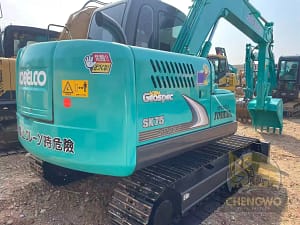
6. The Sealed Package Method
For maximum protection, the sealed package method combines multiple corrosion-prevention techniques into an integrated system. This approach involves enclosing the equipment in a plastic film that is impermeable to water vapor, creating a controlled microclimate inside the package.
The film enclosure isolates the packaged equipment from ambient air, making it possible to exercise long-term control over the internal environment. Care must be taken to ensure that the film remains completely undamaged throughout the loading and transit process. Sharp corners must be carefully padded, and any points where the film must be punctured—such as where machinery is bolted to the case bottom—require rubber seals on both sides to maintain the vapor barrier.
A calculated quantity of desiccants inside the sealed package ensures that relative humidity cannot rise above 40%. VCI compounds may also be included to provide additional vapor-phase corrosion protection. This multi-layered approach addresses multiple threat vectors simultaneously: moisture ingress, condensation, and atmospheric corrosion.
For used excavators and andere Maschinen with existing wear, the sealed package method is particularly valuable. It prevents further corrosion during transportation and ensures that the equipment arrives in the same condition as when it was loaded.
7. Container Selection and Loading Configuration
The choice of container and the loading method itself significantly influence rust prevention outcomes.
Standard closed containers provide a sealed environment that reduces exposure to salt air and direct moisture. Für gebrauchte Bagger and high-spec machinery, the container’s sealed environment reduces cosmetic wear, corrosion, and tampering risk. However, closed containers are also prone to condensation—the very phenomenon that causes container rain.
Open-top containers and flat racks offer advantages for oversized equipment that cannot fit into standard containers. However, these open configurations expose equipment to direct weather, requiring more attention to lashing, blocking, rust prevention, and weather protection. For flat rack shipments, steel frame mounting, weatherproof tarpaulins, and certified lashing points are essential.
Regardless of container type, proper blocking and bracing are critical. Containers experience vessel roll and pitch, sudden braking during trucking, crane lifting forces, yard impacts, and stacking pressure. Without proper securing, even slight movement can damage protective coatings and expose fresh metal surfaces to corrosion.
Equipment should be bolted to a steel skid base or welded to a steel frame—never left free-standing on the container floor. Timber blocks should be firmly secured to the container floor, with steel chocks and anti-slip matting used as needed. Diagonal timber bracing and heavy-duty ratchet straps prevent side-to-side movement.
8. Container Condition and Pre-Loading Inspection
The condition of the shipping container itself plays a crucial role in rust prevention. Before loading any heavy equipment, the container must be thoroughly inspected.
Shippers should inspect carrier equipment to detect the presence of corrosive elements from previous loading. Evidence of salt, sulfur, or carbide would be cause for rejection of the container. Container floors should be checked for moisture content, as the relatively high water content of wood packaging materials can be problematic for corrosion-sensitive machinery.
Container vents and roofs should be checked for leaks before loading. Any damage that could allow water ingress must be repaired, or the container should be rejected. The entire container may be lined with a protective film to shield contents from moisture.
9. Integrated Protection Strategy
No single method provides complete protection against rust during sea freight. The most effective approach combines multiple layers of defense tailored to the specific equipment, voyage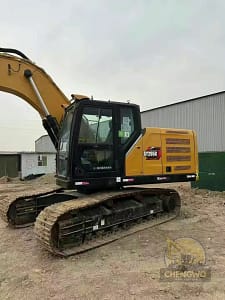 route, and duration.
An integrated protection strategy typically includes:
-
Cleaning and drying of all equipment before loading
-
Application of rust-preventive coatings to all exposed metal surfaces
-
VCI packaging to create a protective vapor atmosphere
-
Desiccants to control overall container humidity
-
Proper blocking and bracing to prevent movement and coating damage
-
Container inspection to ensure a sound, dry shipping environment
The specific combination of methods depends on several factors: the type of equipment being shipped (used excavators versus andere Maschinen), the anticipated voyage duration, the route’s climate conditions, and whether the container will be stored on deck or below deck. Containers shipped on deck may be subject to more significant fluctuations in temperature and humidity, requiring additional protection measures such as thicker VCI film or extra desiccants.
Für gebrauchte Bagger, particular attention must be paid to existing rust and wear. These machines should be thoroughly cleaned and rust-proofed to prevent further corrosion during transportation. Personalized packaging may be necessary based on the machine’s actual condition.
10. Conclusion
Preventing rust during sea freight of heavy equipment requires a systematic, multi-layered approach that begins with proper preparation and continues through to container loading. Used excavators and andere Maschinen face significant corrosion risks from humidity, salt air, and condensation during ocean transport. The most effective protection combines thorough cleaning, rust-preventive coatings, VCI packaging, desiccants, and proper container selection and loading techniques.
The sealed package method, integrating VCI technology with moisture barriers and desiccants, offers the highest level of protection for corrosion-sensitive equipment. However, no single method is sufficient alone. An integrated strategy that addresses all potential corrosion vectors—moisture ingress, condensation, salt exposure, and physical damage to protective coatings—provides the best assurance that heavy equipment will arrive at its destination in usable condition, free from rust and ready for service.
For exporters of gebrauchte Bagger and other heavy machinery, investing in comprehensive rust prevention is not merely a cost of doing business—it is essential protection against rejected shipments, lost contracts, and the significant financial losses that corrosion damage can cause.