


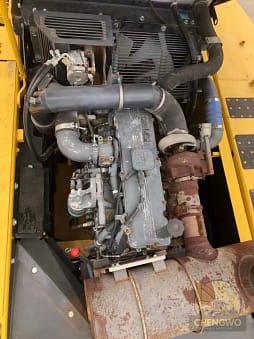
 Purchasing heavy machinery for operation in Africa’s demanding climatic conditions is a significant investment. The extreme heat prevalent across much of the continent poses a unique and severe challenge to equipment, particularly to the heart of its functionality: the cooling system. For buyers considering escavadoras usadas or new models, a thorough inspection and understanding of cooling system specifications is not just a recommendation—it is an absolute necessity for ensuring uptime, longevity, and return on investment. This guide delves deep into the critical cooling system components and specifications you must check before acquiring an excavator for high-temperature African operations.
Understanding the Challenge: African Heat and Machine Stress
Ambient temperatures in many African mining, construction, and agricultural sites routinely exceed 40°C (104°F), with engine bays and hydraulic systems operating at even higher intensities. This relentless heat accelerates fluid degradation, increases the risk of overheating, and can lead to catastrophic component failure. A cooling system designed for temperate climates will fail miserably here. Therefore, the evaluation criteria must be stringent, especially when assessing escavadoras usadas or comparing different models of Outras máquinas.
1. Radiator Core Specifications: Size, Material, and Design
The radiator is the primary heat exchanger for the engine coolant.
-
Core Dimensions and Frontal Area: Bigger is often better in high heat. Check the physical size and thickness of the radiator core. A larger frontal area and a thicker core (often a 4-row or even 6-row design versus standard 2-row) provide greater cooling capacity. For escavadoras usadas, measure or request specifications to confirm this. Look for models specifically built for “high ambient” or “tropical” specifications.
-
Material and Construction: Copper/brass cores offer excellent heat transfer but are more susceptible to damage. Aluminum cores with plastic tanks are lighter and common but ensure the plastic is high-grade to resist UV degradation and thermal cycling. Inspect for signs of corrosion, repair, or clogging from insects, dust, or debris—common issues in African environments.
-
Fin Density: Fins increase surface area for heat dissipation. Higher fin density (more fins per inch) improves efficiency but is more prone to clogging with dust. A balanced design with easy cleanability is key. Check if fins are straight and undamaged.
2. Cooling Fan: Type, Drive Mechanism, and Performance
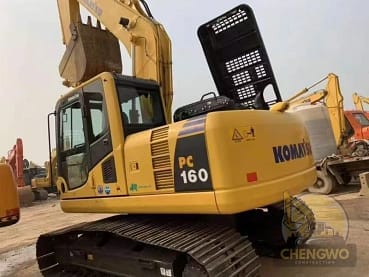
The fan draws air through the radiator and hydraulic oil coolers.
-
Fan Type and Diameter: Larger diameter fans move more air. Verify the fan material (often reinforced polymer) for heat resistance.
-
Drive Mechanism: This is critical.
-
Viscous Fan Clutch: Common and effective. It engages based on temperature. When inspecting escavadoras usadas, test the fan clutch. A failed clutch (often stuck disengaged or engaged) is a major cause of overheating. Listen for the fan “roar” when the machine is hot under load.
-
Hydraulic Fan Drive: Offers precise, engine-independent speed control via a dedicated hydraulic pump and motor. This is a superior solution for extreme conditions as the fan speed can be optimized regardless of engine RPM, improving cooling efficiency and fuel economy. Check for leaks and pump specifications.
-
Direct Drive (Fixed): Less common on modern escavadoras, as it is inefficient and noisy.
-
3. Hydraulic Oil Cooling System
In an escavadora, the hydraulic system generates immense heat. Its independent cooling is vital.
-
Dedicated Hydraulic Oil Cooler: Ensure the machine has a separate, sizable hydraulic oil cooler, typically mounted in front of or alongside the radiator. Like the radiator, check its core size and condition.
-
Oil-to-Air vs. Oil-to-Water: Most are oil-to-air. However, some systems use an oil-to-water cooler (a heat exchanger where hot hydraulic oil is cooled by the engine coolant). This can be efficient but adds complexity; ensure the overall system capacity is rated for high ambient heat.
-
Cooling Capacity Rating: Request specifications for the BTU/hr or kW heat rejection capacity of the hydraulic cooling system at a stated ambient temperature (e.g., 45°C). Compare this across different models of escavadoras e Outras máquinas.
4. Charge Air Cooler (Intercooler)
For turbocharged engines, the intercooler cools compressed intake air, increasing density and engine efficiency.
-
Type and Efficiency: Air-to-air intercoolers are standard. Check its placement and condition. It must be clean and free from leaks. Efficient charge air cooling is crucial for maintaining engine power and reducing thermal stress in hot climates.
5. Coolant Type, Capacity, and System Condition
-
Coolant Specification: Use only extended-life coolants (often red or pink) formulated for heavy-duty diesel engines with anti-cavitation and corrosion inhibitors. When buying escavadoras usadas, perform a coolant analysis (check for additive depletion, contamination, or electrolysis).
-
System Capacity: A larger coolant volume provides a greater thermal buffer. Check the total system capacity in liters. Compare it to the engine’s power output; a higher ratio can indicate a more robust system.
-
Water Pump: Ensure the water pump is in good condition (no bearing play or leakage). Its flow rate is a key specification for high-heat operation.

6. Additional Cooling System Components and Features
-
Transmission Oil Cooler (for relevant machinery): While standard on wheel loaders and Outras máquinas, some hybrid or specific escavadora designs might incorporate additional coolers.
-
Air Conditioning Condenser: Essential for operator efficiency. It is mounted in front of the radiator stack. Ensure it is clean and undamaged, as a clogged condenser directly reduces airflow to the main radiator.
-
Shrouds and Ducting: Check that all cooling fan shrouds are intact and sealed. They are crucial for directing airflow effectively. Missing or broken shrouds can reduce cooling efficiency by up to 50%.
-
Thermostats and Sensors: Modern machines have multiple temperature sensors. Ensure they are functional. The engine thermostat must open at the correct temperature. Stuck thermostats are a frequent failure point.
7. Integration and System Management
-
Cooling Package Layout: The entire “cooling pack”—radiator, hydraulic cooler, charge air cooler, A/C condenser—must be arranged for optimal airflow. Check for sufficient space between cores for cleaning. A stacked design should be easy to service.
-
Machine Design for Dust: African sites are dusty. Check for features like rear-mounted radiators (less common on escavadoras), centrifugal pre-cleaners, or high-quality, easy-to-clean mesh screens. Automatic reversing fans are a valuable feature to expel debris.
Comprehensive Inspection Checklist for Buyers (Especially for Used Excavators)
Before finalizing a purchase, conduct this thorough inspection:
-
Visual Inspection: Examine the entire cooling pack for physical damage, bent fins, oil stains (indicating cooler leaks), or signs of past repairs. Check fluid levels and quality.
-
Operational Test: Run the machine under load until it reaches normal operating temperature. Monitor engine coolant and hydraulic oil temperatures via the machine’s dashboard or a diagnostic tool. Do they stabilize within the normal range, or do they creep into the red?
-
Fan Engagement: Verify the viscous fan clutch engages properly (a distinct increase in noise and airflow) when the engine is hot. For hydraulic fans, ensure speed varies with system demand.
-
Pressure Test: Perform a cooling system pressure test to identify leaks in the radiator, hoses, or water pump seal.
-
Documentation and History: Para escavadoras usadas, request maintenance records. Look for recurring overheating-related repairs. Check if the machine was originally specified for a hot climate market (e.g., Middle East or Africa spec).
-
Compare Specifications: Obtain the official cooling system specification sheets from the manufacturer for the specific model and its high-ambient option. Compare heat rejection capacities.
The Broader Context: Excavators and Other Machinery in the African Market
The principles outlined here apply broadly to Outras máquinas like wheel loaders, bulldozers, and haul trucks operating in similar conditions. The escavadora market, however, sees a significant volume of escavadoras usadas imported from regions with milder climates. These machines often lack the necessary cooling specifications, leading to premature failures and costly downtime. Buyers must be vigilant. Partnering with a reputable dealer who understands local conditions and can provide OEM-approved high-ambient cooling kits for escavadoras usadas is a wise strategy.
Conclusion: An Investment in Due Diligence
In the high-temperature crucible of African worksites, the cooling system is your excavator’s first line of defense. Neglecting its specifications during the purchasing process is an invitation to operational failure and financial loss. Whether evaluating brand-new models or navigating the market for escavadoras usadas, a methodical, specification-focused approach to the cooling system is non-negotiable. By insisting on the correct radiator dimensions, fan drive technology, cooler capacities, and system integrity, you are not just buying a machine—you are investing in reliable performance, extended asset life, and ultimately, the success of your project. Always prioritize models built or modified for extreme heat, and never underestimate the value of a professional, condition-based inspection before commitment. This due diligence will ensure your chosen piece of equipment, be it an escavadora ou Outras máquinas, is a partner built to endure and conquer the African sun.